Growing Produce highlighted the importance of understanding how soil fumigants work, following label requirements, and implementing proper application practices. Soil fumigation continues to play a critical role in managing nematodes and other soilborne pests in high-value crops.
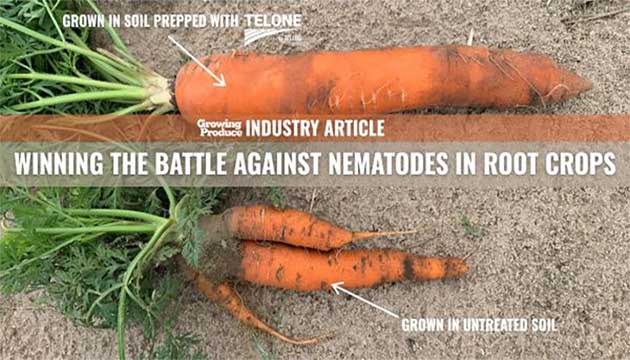
Nematodes remain one of the most persistent and costly challenges in root crop production. A recent Growing Produce article highlights how plant-parasitic nematodes can significantly impact crops like carrots, potatoes, and other root vegetables - ultimately lowering yield and marketable quality.
Plant-parasitic nematodes are microscopic soil-borne pests that can significantly impact root development, nutrient uptake, and overall crop performance. Often difficult to detect, these pests can reduce yield potential if not effectively managed.
Effective soil preparation and management play a key role in supporting root development, plant health, and consistent growth throughout the season. TriCal New Zealand supports growers with science-based soil solutions designed to strengthen production from the ground up.
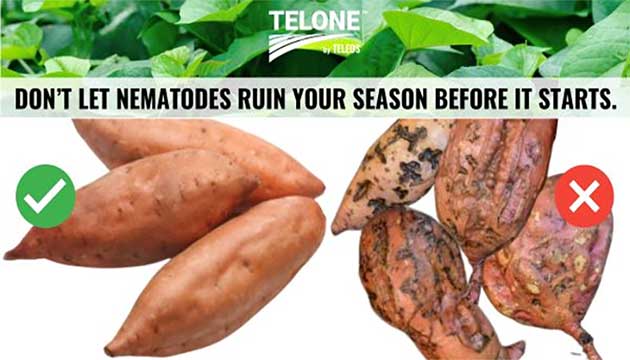
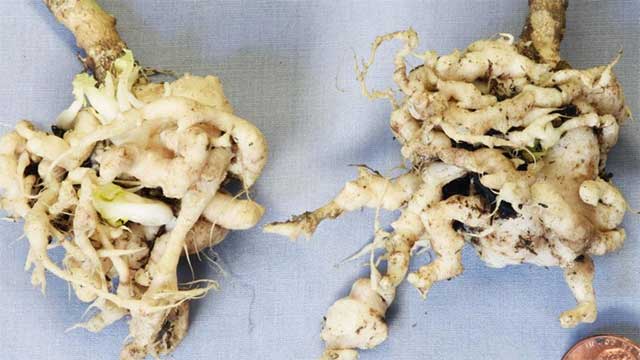
California sweetpotato growers are busy prepping their fields ahead of planting. One of the biggest threats they face is damage inflicted from root-knot nematodes. These microscopic pests cause big problems for growers—just check out the photos of damage below.
As we celebrate America's favorite berry, let's dive into a recent report by the California Strawberry Commission. The recently-released report highlights that strawberry production continues to grow—reinforcing just how important this specialty crop is to U.S. agriculture.
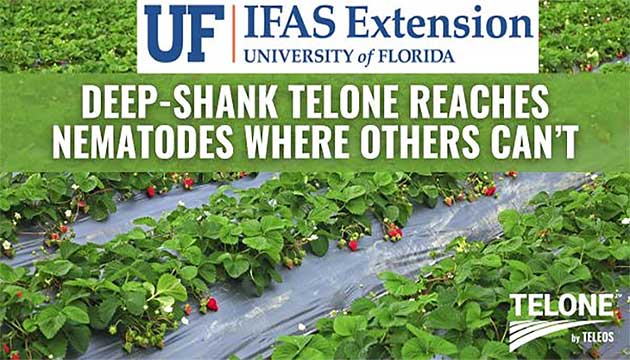
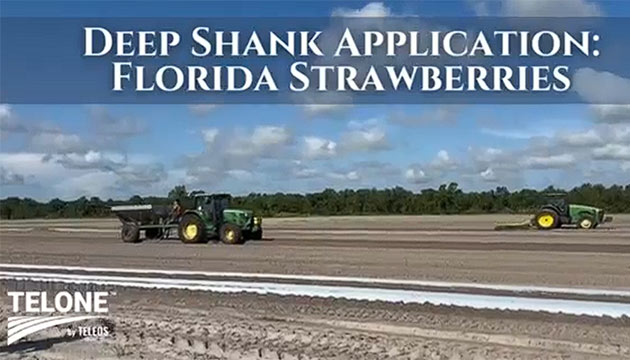
Florida strawberry growers know nematodes don’t stay near the surface—they move deeper into the soil profile. That’s where deep-shank TELONE™ by Teleos soil fumigant comes in. Research from the University of Florida shows that applying TELONE™ at deeper depths can significantly improve control.
Whether you call them pick-AHNs or pee-CANs, we can all agree that the best way to grow healthy pecan trees is to prep the soil with TELONE™ by Teleos soil fumigant before planting! Spring applications are currently ongoing in the southeast, and growers know that a good offense with TELONE™ is the best defense.
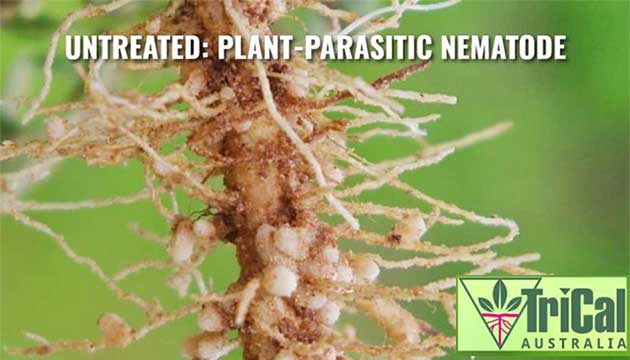
The state of the root system is a key indicator of the health and productive potential of the crop. The presence of galls and deformations can be associated with nematodes or other soil pathogens, affecting the absorption of water and nutrients and compromising yield. A preventive soil treatment reduces these risks and promotes a healthier and more balanced root development from the beginning of the season.
Prunus crops, including almonds, are highly vulnerable to soil-borne challenges that can impact tree health and long-term productivity. From Prunus Replant Disorder (PRD) to nematodes, Phytophthora, and root rot, these issues develop below the surface and can limit root growth and overall tree performance.
Golfers know that keeping the greens in pristine condition is crucial for a good round. But did you know that nematodes can wreak havoc on golf courses? Nematodes don't just attack crops—they can ruin turf, too! This is especially true in Florida, where sting, lance, and lesion nematodes cause big problems. Remember, there's no coming back from a poor start!
Sweetpotato growers are busy prepping their fields ahead of planting. One of the biggest threats they face is damage inflicted from root-knot nematodes—especially the destructive Guava Root-Knot nematode in the east. No alternative matches TELONE™’s efficacy in reducing nematodes in the soil.
In the PNW specifically, growers often use a blend of TELONE™ by Teleos soil fumigant and chloropicrin. A TELONE™/chloropicrin blend or co-application not only defends against nematodes/soilborne diseases, but can also enhance root growth, allowing onions to develop in an environment with less pest pressure.
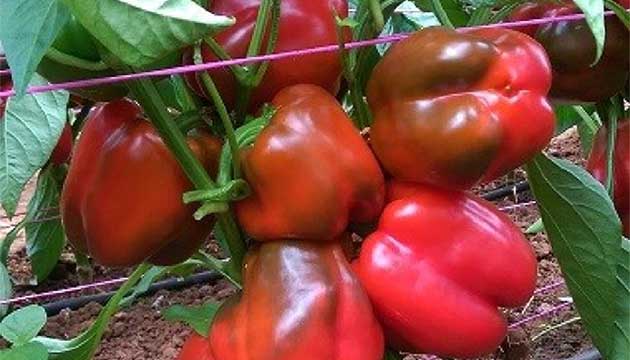
Red bell pepper produced in greenhouses, with soils previously fumigated in Irapuato to ensure a uniform establishment and vigorous development of the crop. At TriCal de Baja we work to improve soil health to reduce the incidence of pathogens and nematodes, strengthening the root system and maximizing productive potential from the beginning of the cycle. The quality of the fruit begins under the soil.
Fresh market potato season is underway in Florida, and what happens belowground right now will help determine performance at harvest. Florida produces roughly 20,000–30,000 acres of potatoes annually, valued at over $100 million, supplying early-season “new potatoes” to markets across the U.S. Sandy soils and warm conditions help growers reach market ahead of northern regions—but those same conditions can also favor plant-parasitic nematodes. As growers in the region know firsthand, fresh market potatoes in Florida commonly face pressure from:
Healthy crops start with healthy soil. Soil fumigation is a pre-plant treatment that helps manage harmful soil-borne pests, diseases, and nematodes. By creating a healthy, growing environment beneath the surface, growers can give their crops the best possible start. Why does it matter?
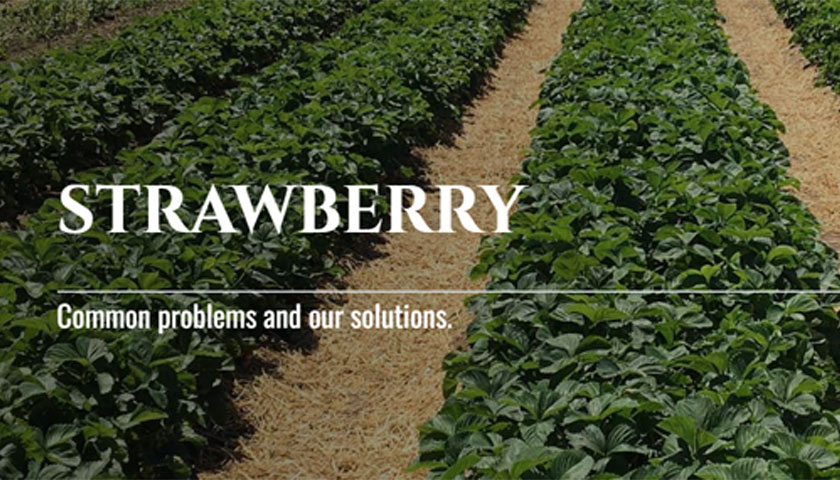
Consumers prioritize Strawberry's freshness, color, and quality, and growers work tirelessly to deliver it season after season. Yet below ground challenges like plant-parasitic nematodes and soilborne diseases can limit root health, reduce vigor, and negatively impact yield and fruit quality if left unmanaged.
Pre-plant soil fumigation helps reduce soilborne pathogens, nematodes, and weed pressure, creating a vigorous, more uniform root zone for crop establishment. By managing challenges before planting, growers set strawberries up for strong root development, consistent growth, and improved yield potential. Because successful strawberry crops start with proactive soil preparation.
TriCal de Baja works from soil preparation, applying specialized solutions in the management of nematodes and soil diseases, helping to establish healthier and more productive crops. When the soil is well-managed, the results are reflected in each harvest.
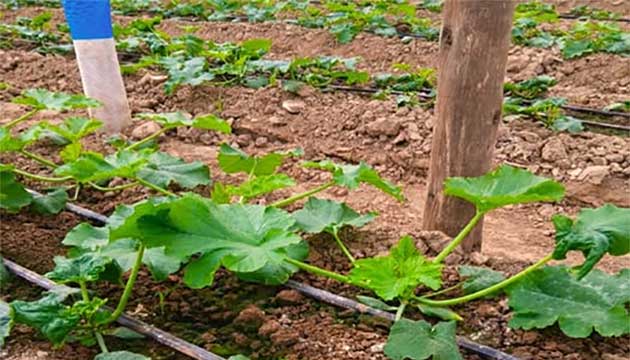
Cucurbitaceas present a high sensitivity to early stress. Soil management focused on reducing the initial load of diseases and nematodes allows for faster deployment, better soil volume exploration, and balanced vegetative development. These conditions translate into greater water efficiency, better yogurt and a more stable productive cycle.
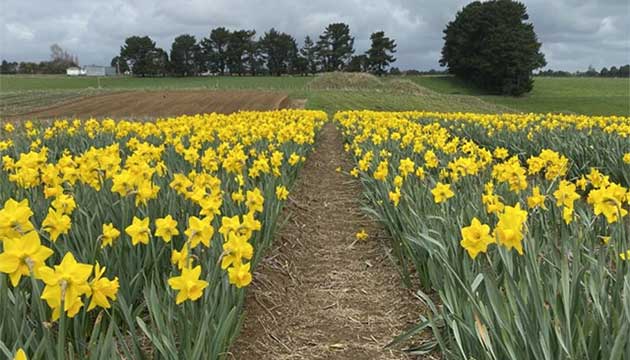
Yield and quality in peonies depend directly on precise soil management. A correct preparation of the soil profile, together with the preventive control of soil pathogens and nematodes, favors a healthy root system, uniform growth and flowering of greater caliber and consistency. Soil health is key to maximizing the potential of each variety.
Soil fumigation is a key tool for managing soil-borne pests, including nematodes, fungi, bacteria, and insects. Soil fumigation helps create a healthier environment for crop establishment and growth. Healthy soil supports stronger stands , vigorous roots, and improved yield potential right from the start.
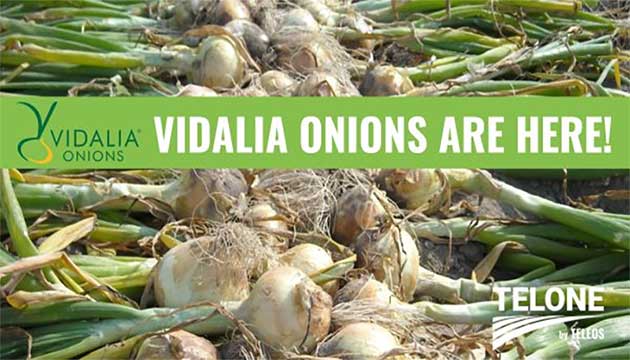
Onions are especially sensitive to soil-borne pests like nematodes, fungi, bacteria, and insects. Soil fumigation helps manage risks, giving your onions a healthier start. Soil fumigation supports uniform growth, reduces early crop loss, and helps maximize bulb quality and yield.
As Steve Koike enters retirement, we’re honored to spotlight his lasting impact on plant pathology. The TriCal blog highlights Steve’s decades of leadership, service, and contributions to the agricultural community, including his time with UC Cooperative Extension and TriCal Diagnostics.
Teleos is at the 64th Annual National SweetPotato Convention in Fort Worth, TX! TELONE™ Specialist, Greg Roberson shared what is on what's on growers' minds. Some of the big themes include mental health, rising input costs, regulatory policies, and unpredictable weather.
A greenhouse capsicum trial on the Adelaide Plains evaluated the effectiveness of pre-plant soil fumigation with Strike 60 for managing Root Knot Nematodes and improving crop performance. Weekly soil testing was conducted to measure nematode suppression and crop response under controlled greenhouse conditions.
Nematodes can severely impact almond orchards in California, especially in replant situations where Prunus Replant Disorder affects up to 60% of plantings. Soil fumigation helps reduce nematodes, promote root development, and support long-term orchard performance.
Food demand is expected to increase 70 percent by 2050 so we need to make sure farmers have the tools they need to continue to feed the world. Using TELONE™ helps farmers maximize crop quality and yields, ensuring a safe, steady and affordable food supply for all.
Dr. Kristi Sanchez addresses how plant parasitic nematodes continue to challenge growers across California, affecting the underground root systems of many high-value crops in crops such as almonds, grapes, citrus, vegetables, and strawberries.
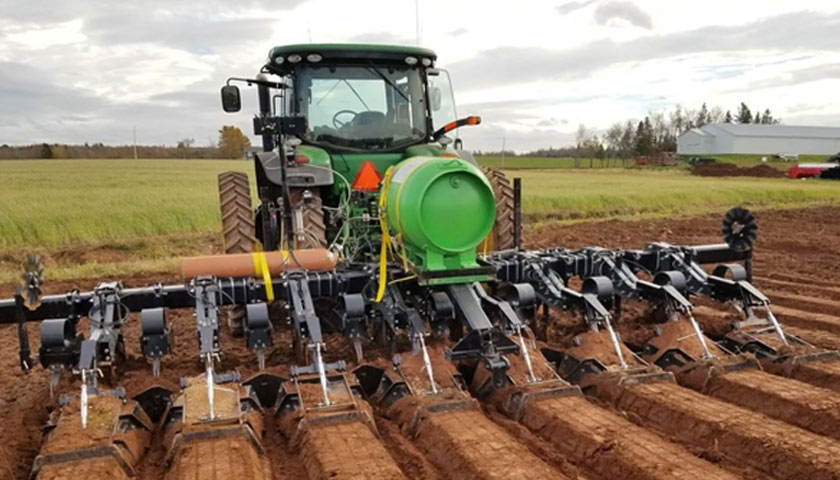
A beautiful backdrop set the scene as our team prepared for soil fumigation in an almond orchard in Fresno, CA. This field is being treated with TELONE™ II to help manage nematodes and support healthy soil for orchard success. TriCal Inc. is proud to help growers build healthy soil that leads to productive, resilient orchards.
A sweetpotato field in Atwater, CA, is being soil fumigated with TELONE™ II to help manage root-knot nematodes and support healthy root development. This treatment provides growers with a stronger start to the season by creating optimal growing conditions for a productive crop. Healthy soil is the foundation of a productive field, and we are committed to helping growers achieve reliable results year after year.
There are several options for rootstocks available for grafted watermelon plants. Choosing a rootstock is specific to the issues faced on an individual farm, whether that be the need for better yields, fusarium wilt management, or nematodes, etc. Tri-Hishtil has solutions to fit your growing needs.
California’s specialty crops face major pressure from plant parasitic nematodes (PPN) attacking roots underground. Top offenders include root-knot, lesion, ring, cyst, and dagger nematodes, all capable of stunting plant growth and reducing yields.
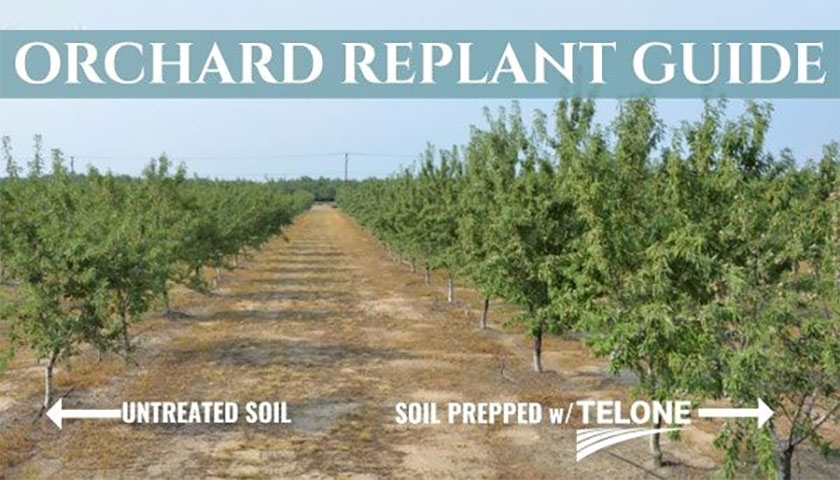
Orchard growers know that TELONE™ by Teleos tackles two big challenges at once: nematode pressure and Prunus replant disease. It's important to to target nematodes before they have a chance to be a problem. TELONE™ targets nematodes where they live—so young trees can establish without early-season setbacks.
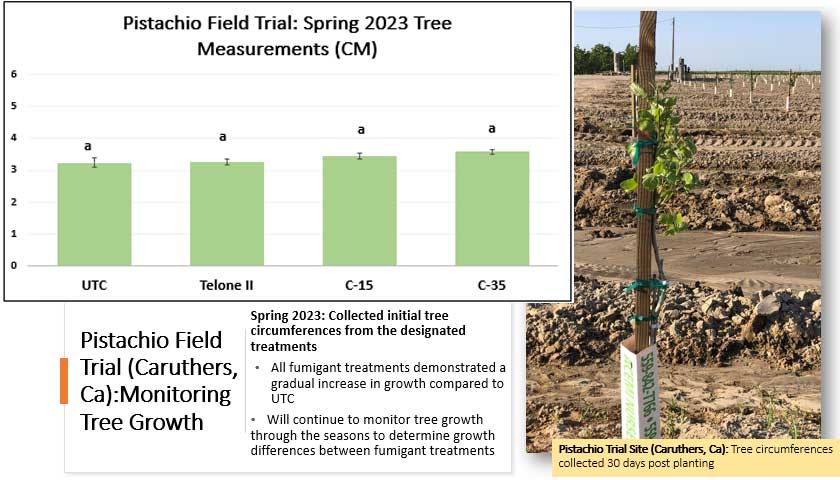
Our latest research in Fresno County looks at how soil fumigation supports Pistachios, one of California’s fastest-growing and most valuable crops, by improving root health, encouraging early tree growth, and managing plant-parasitic nematodes.
Fall application season is still active in the PNW, where carrot growers are busy prepping their soil with TELONE™ by Teleos soil fumigant ahead of planting. Carrot growers in the PNW face high nematode pressure which can affect marketable yields and quality.
Trical S.A. is pleased to share the experience of José Manuel Negme, Agricultural Engineer at Agrícola Pascual Cerda. He highlights the excellent results in strawberry products. Treatments reduced soil diseases caused by fungi, control insects, weeds and nematodes, significantly improving soil health.
Our Southeast rep Chris Hays, was recently in Plant City, FL, for a deep-shank application of TELONE™ by Teleos soil fumigant. Deep-shank applications help get TELONE™ further in the ground, below the hard pan, to control the nematodes where they are.
Our Director of R&D, Dr. Randy Huckaba, is onsite iat the 64th Annual Meeting of the Society of Nematologists. "The Society of Nematologists (SON) is an international organization formed to advance the science of nematology in both its fundamental and economic aspects."
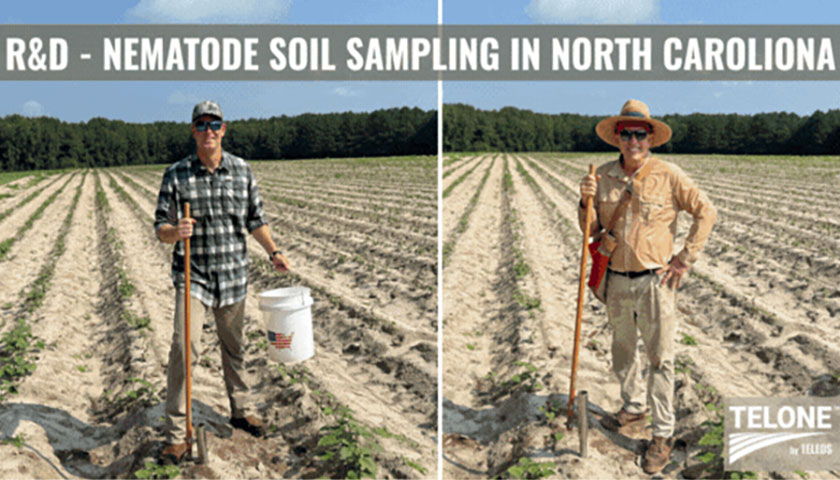
President John Godbehere assisted our Director of R&D Dr. Randy (RM) Huckaba, in collecting soil samples from three test plots in North Carolina. Telios proud to offer the world's best defense against nematodes. TELONE™ can help you manage destructive nematodes at www.teleosag.com.
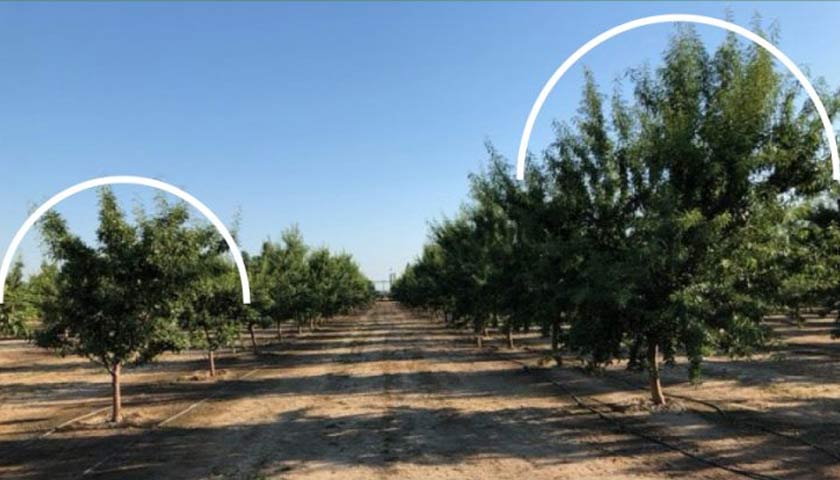
Prepping the soil with TELONE™ creates a zone of protection so plant roots can establish with more efficient uptake of water and nutrients and less need for other inputs. The result is healthier trees with increased trunk diameters, larger canopies, and improved quality and yields.
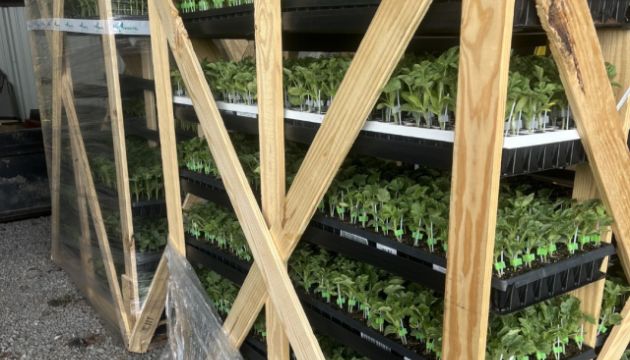
A strong start paves the way for a fruitful harvest. This carrot field in New Zealand was treated with Tri-Form 60 in December to effectively manage nematodes and soil-borne fungi. Our goal is to improve soil quality for outstanding crop yields.
Teleos TELONE™ Specialist at Teleos Chris Hays, is at the Florida Strawberry Growers Association's 43 Annual Agritech Event. Teleos is a sponsor of the event. Florida strawberry growers know that nothing is more effective against destructive nematodes than TELONE™.
Strawberries are grown extensively in California, Florida, and North Carolina. Nematodes present significant challenges in these regions, impacting yields and fruit quality. The presence of foliar and northern root-knot nematodes can lead to ultimately lowering yields in strawberry crops.
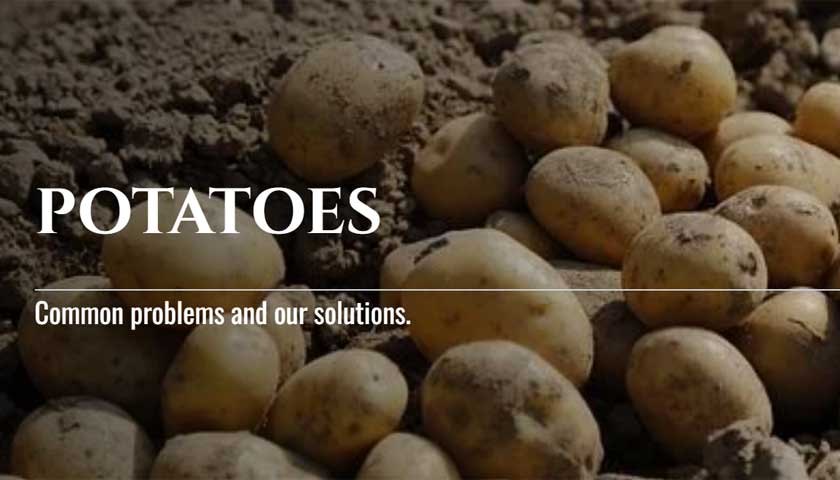
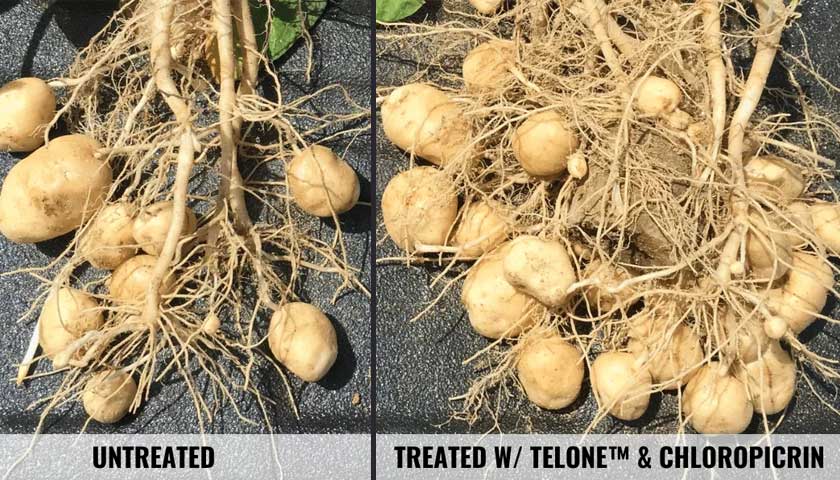
Using TELONE™ by Teleos soil fumigant to prep the soil ahead of planting creates a zone of protection, allowing delicate roots to establish into healthy potatoes. Using TELONE™ in combination with chloropicrin also helps suppress many soilborne diseases that affect potatoes, including verticillium, common scab, rhizoctonia, fusarium, pythium, and more!
Teleos Ag's new carrot-specific crop page to learn more about the nematodes affecting carrots, and how TELONE™ can set you up for a successful season. Nematodes damage carrots by feeding on the roots, causing galls and misshapen roots, which render the crop unmarketable.
Plant-parasitic nematodes are known as hidden enemies and restrain carrot production in the United States. In Georgia, carrots are among the most seriously affected vegetables due to heavy infestation of root-knot nematodes, causing especially severe problems in all carrot-growing areas.
Plant diseases are one of the most challenging obstacles facing growers. A biological reality is that if a farmer grows the same crop too many times, and if the farmer puts in the same crop too often over a short period of time, pathogens will be harder to manage.
In modern agriculture, the efficient use of resources is paramount. Growers seek ways to optimize water and fertilizers while maintaining or enhancing crop yields. By applying TELONE™ before planting roots can develop without the hindrance of pests.
As spring approaches, it’s essential to prepare fields for planting by effectively managing soil-borne pests, particularly nematodes. This blog post outlines steps to ensure successful fumigation, including soil sampling, using pre-application checklists, and monitoring soil moisture levels.
Trical South America is spreading the news that the key to the success of any crop begins in the soil and its roots. Trical South America specializes in soil treatments to control nematodes, fungi, bacteria, insects, ensuring healthier and more productive crops.
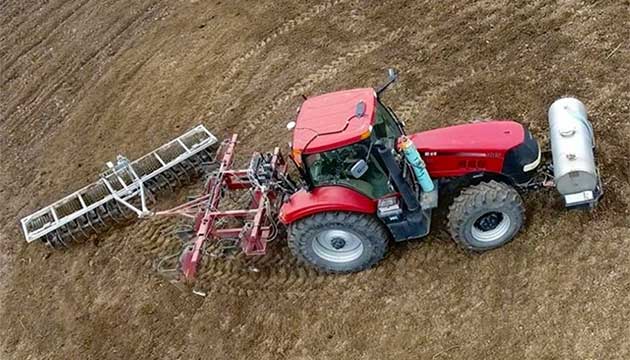
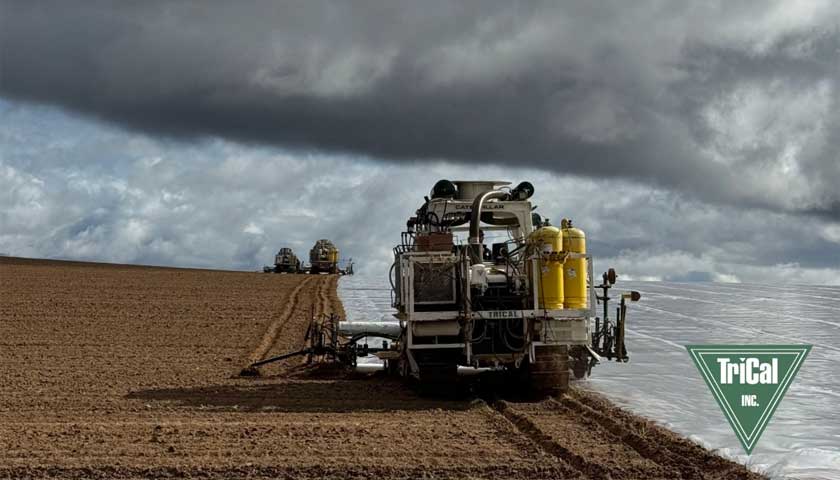
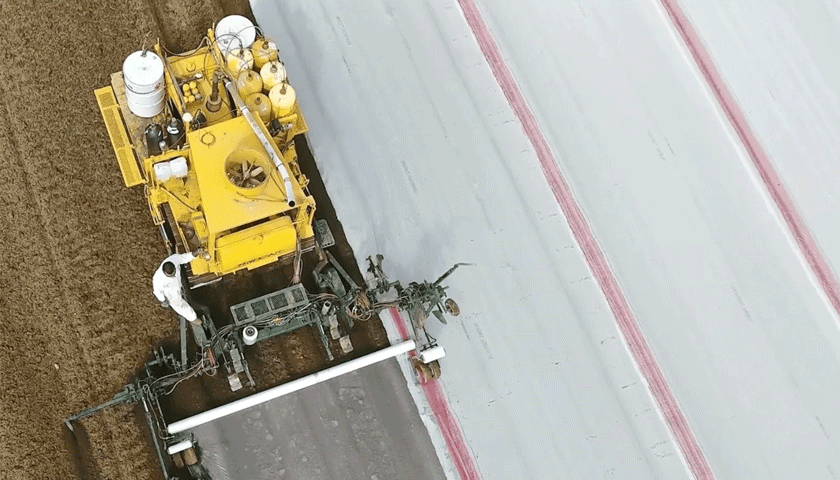
Potato Growers love seeing dual-application fumigation in process, and this view from above is even better. Check out this dual-application of TELONE™ (to combat nematodes) and chloropicrin (to target soil-borne diseases) on potatoes in Hastings, Florida.
Soil fumigation is a pre-planting practice that involves injecting fumigants into the soil to target harmful soil-borne pests and pathogens. This process works by penetrating throughout the soil to target nematodes, fungi, bacteria, and insects, which can hinder plant development.
NC State Extension recently released its Pest Management Strategic Plan for Strawberries in the Southeast including Virginia, North Carolina, South Carolina, Georgia, and Florida, giving detailed information on common pests, weeds, pathogens, and best practices.
Nematodes are a common pest in potato-growing areas, particularly in the Pacific Northwest. They are typically found in coarse-textured, sandy soils. Above ground symptoms can range from stunted growth and wilting under moisture stress, accompanied by distinct galls on potato tubers.
Teleos Ag is proud to be a member of the North Carolina Sweetpotato Commission and support their mission to increase sweetpotato production and consumption. NC farmers know that nematodes are a common pest one of the biggest sweetpotato-growing areas in the country.
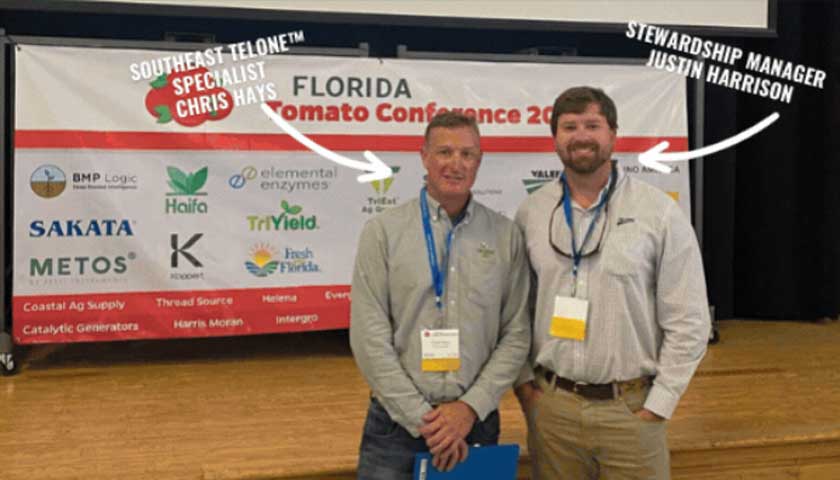
Teleos was at the Southeast Regional Fruit & Vegetable Conference in Savannah, GA, last week with a full team onsite, including our Mid-Atlantic TELONE™ Specialist Greg Roberson, Southeast TELONE™ Specialist Chris Hays, Stewardship Manager Justin H., USA Sales Manager Bruce Jacobs, and our President John Godbehere.
Soil fumigation is a pre-planting practice that works by penetrating throughout the soil profile to address threats like nematodes, fungi, bacteria, and insects, creating a pathogen-free root zone, soil fumigation lays the foundation for a healthier growing environment.
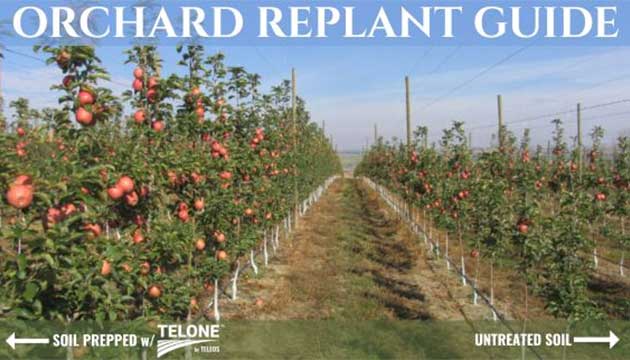
With the year coming to a close, now's the time to start thinking about your orchard replant! Before you get started, be sure to check out our "Managing Replant Problem & Nematodes" PDF, available for download on the link below
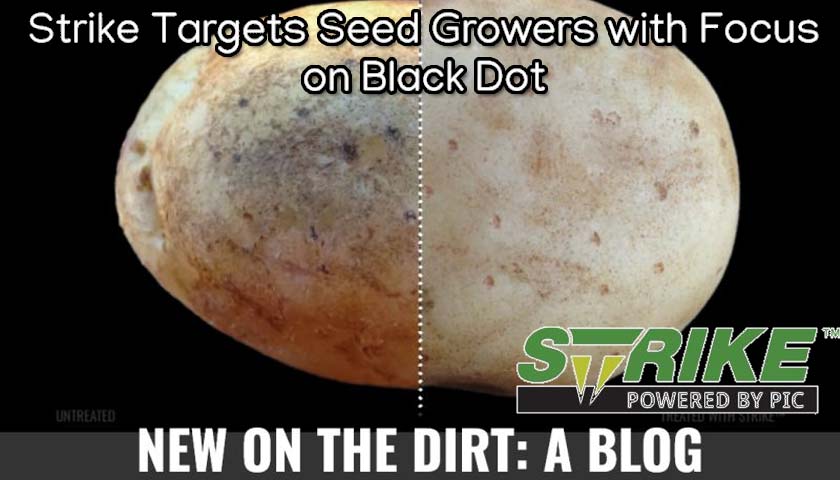
Black dot has historically been overlooked in potato seed production. Recent research shows that black dot, caused by the fungus Colletotrichum coccodes, working synergistically with Verticillium dahliae and root-lesion nematodes to weaken plants and reduce yields.
Despite the overcast skies in Santa Maria, California, dedicated technicians are hard at work treating the strawberry fields to mitigate soil-borne diseases like nematodes. This proactive farmer is ensuring that the upcoming planting season will be both smooth and successful.
Chloropicrin has been a trusted soil fumigation solution for over 60 years, helping specialty crop growers around the world maximize yields and maintain healthy soils. But what makes it such a powerful tool? Here’s a closer look at some of its benefits:
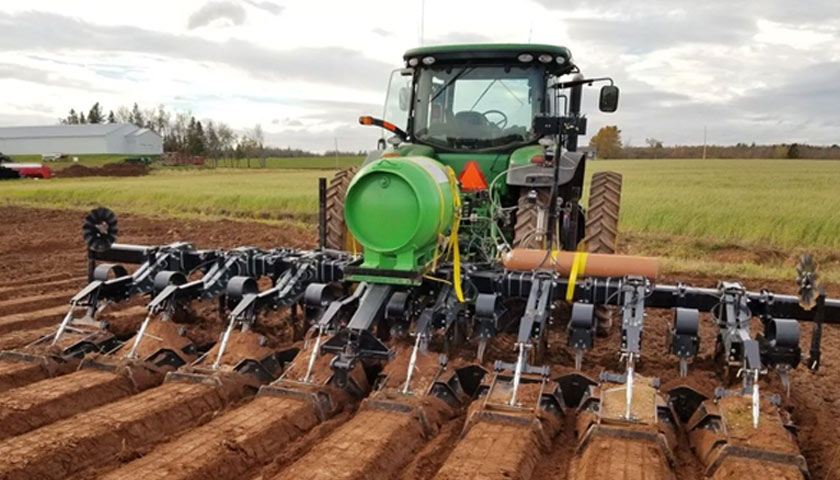
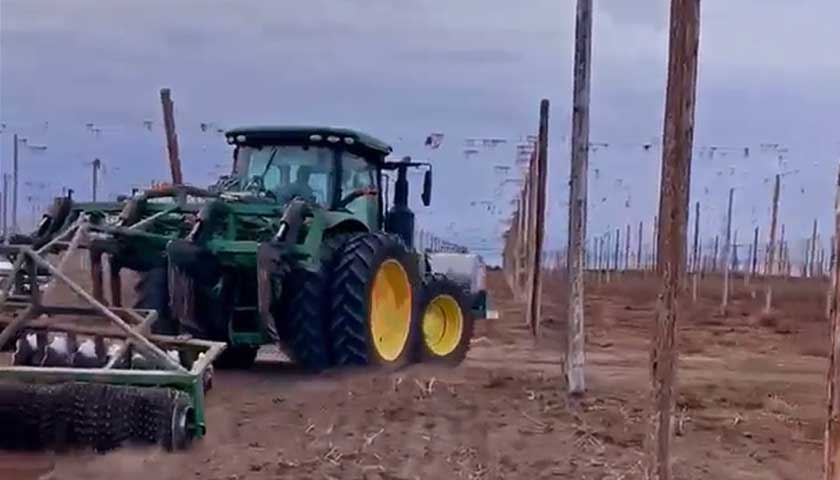
Trident Ag completed a hop soil treatment in the Pacific Northwest using Pic-Clor 35 at a rate of 20.5 gallons per acre to effectively suppress nematodes and disease. It’s truly impressive to see the driver moves with precision of our operator navigating close to the poles with the packer.
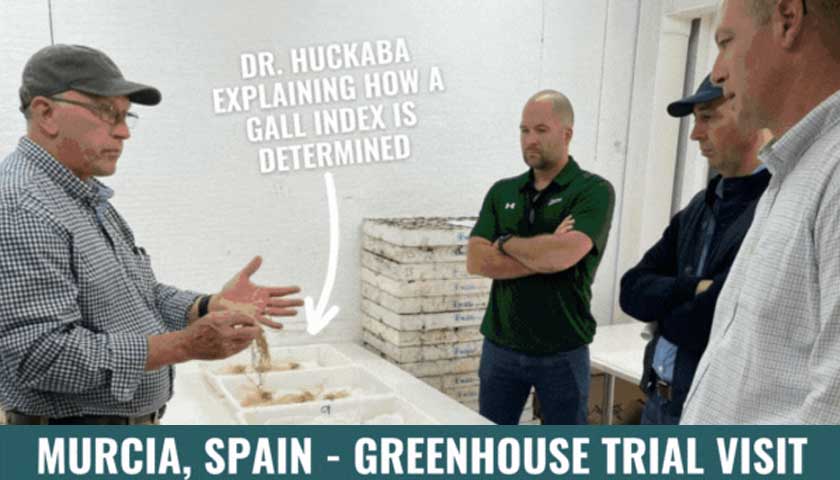
Teleos works with a company called Eurofins Métodos Servicios Agrícolas in Murcia, Spain. The Eurofins team is led by Miguel Angel Diez. Miguel showed us around his greenhouse facility where crop protection trials are currently underway, including trials with TELONE™ and Chloropicrin.
Growers in South Carolina are prepping their peach orchards now, ahead of spring plantings in April. While growers do have nematode-resistant rootstock options, Root-Knot nematodes are still a huge threat for peaches in South Carolina.
Teleos has been on the move! Recently, our EMEA Sales Manager JB Gibbs, President John Godbehere, Director of R&D Dr. Randy (RM) Huckaba, and Stewardship Manager Justin H. visited Europe to see our TELONE™ packaging facilities and check in on greenhouse trials.
Potato Harvest Trial Harvest digs in New York. Looking at Russets, Whites, and Yellows with multiple rates of chloropicrin against non-treated. We look at suppressing verticillium wilt, nematodes, & common scab. This is a fresh market grower so skin quality and size profiles matter.
For growers, managing soil pests like nematodes, fungi, and organisms can mean the difference between a robust harvest and significant losses. TELONE™ soil fumigant comes into play, offering a solution for controlling a broad spectrum of nematodes and soil-borne pests..
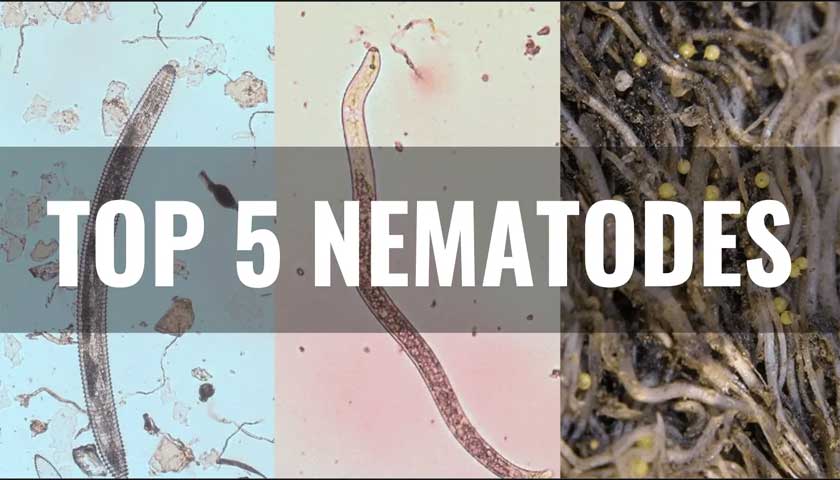
Plant-parasitic nematodes are some of the most destructive pests in agriculture. With over 4,000 species of plant-parasitic nematodes worldwide, identifying and managing the right ones in your fields is crucial.
Our Director of R&D Dr. Randy (RM) Huckaba was in Eureka, NC harvesting a sweetpotato experiment. The test treatments included TELONE™ II as well as TELONE™/Chloropicrin combinations. The results showed TELONE™ provided very good control of the devastating guava root-knot nematode.
The University of Georgia Cooperative Extension compiled its 2024 Southeastern Peach, Nectarine, and Plum Pest Management and Culture Guide. The guide recommends TELONE™ applications "should generally be made in the fall prior to mid-November.
Our Mid-Atlantic TELONE™ Specialist Greg Roberson, was onsite at the North Carolina Sweetpotato Commission's Annual Field Day. This event is held in conjunction with North Carolina State University's Extension Program and is an excellent opportunity to connect with researchers and sweetpotato growers.
We recently had the chance to learn more about Dr. Kristi Sanchez’s path to becoming a Nematologist, and we can’t wait to share it with you. Explore her journey below, along with her valuable advice for anyone new to or interested in the field of Nematology.
TeamTeleos was at the Florida Tomato Institute's Annual Conference! Our Southeast TELONE™ Specialist Chris Hays, Stewardship Manager Justin H., and President John Godbehere were representing Teleos at this event and engaging first-hand with tomato growers from across the state.
Effective pest management relies on understanding and controlling soil-borne pests, including plant-parasitic nematodes. Sampling for nematodes is a crucial part of a comprehensive Integrated Pest Management (IPM) plan.
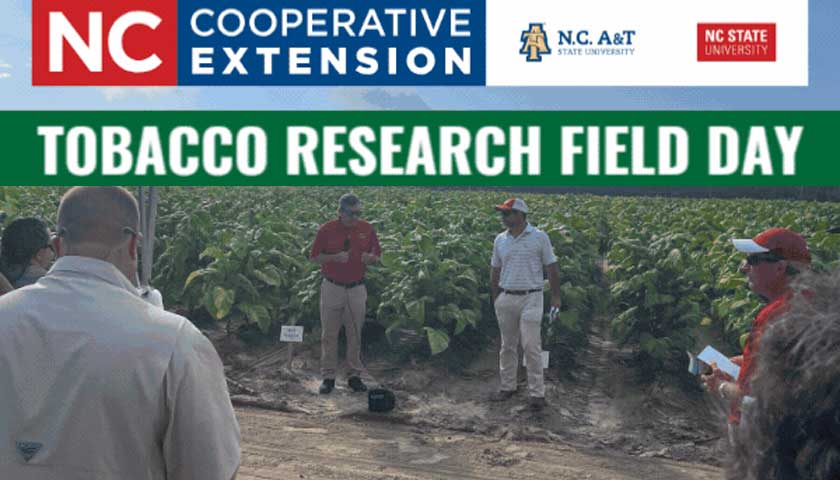
Teleos Ag's mid-Atlantic TELONE™ Specialist Greg Roberson attended the NC State Tobacco Field Day last week in Kinston, NC. This was an excellent opportunity to interact with local tobacco growers, county extension agents, and researchers. Learn about how TELONE™ can set you up for a successful tobacco season.
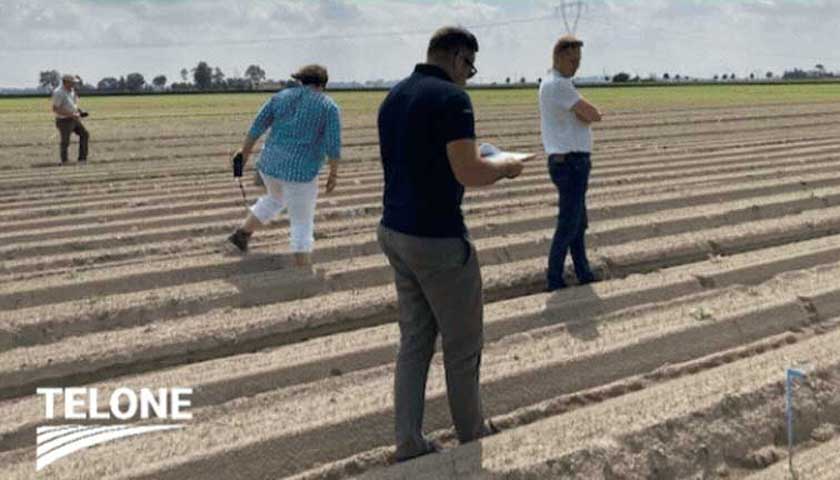
Teleos Ag is currently running many field trials around the world, and recently, our EMEA Sales Manager JB Gibbs and our Director of R&D Dr. Randy (RM) Huckaba were in Europe checking in on several sites, like the pictured site where our team is visiting several sites in Poland to see the progress of ongoing trials in potatoes and carrots.
May marked the start of Dr. Kristi Sanchez’s (our renowned Nematologist) busiest season, a kick-off to Spring field trials. Here’s a breakdown of the trial sites Dr. Sanchez visited, including detailed insights into her work and that of the TriCal team at each location.
Nematodes are a common pest in sweetpotato-growing areas. This blog post will cover most common and destructive nematode affecting sweetpotatoes in North Carolina—the guava root-knot nematode— and recap a sweetpotato field trial that was done to demonstrate TELONE™ efficacy.
Nematodes are a common pest in potato-growing areas, particularly in the Pacific Northwest. This blog post will cover common nematodes affecting potatoes in the Pacific Northwest, and recap a potato field trial that was done to demonstrate TELONE™ efficacy.
Watermelons are a popular crop in Japan. Unfortunately, they are also highly susceptible to destructive root-knot nematodes which negatively impact overall yields and fruit quality. Japanese growers know that nothing is more effective against nematodes than TELONE™!
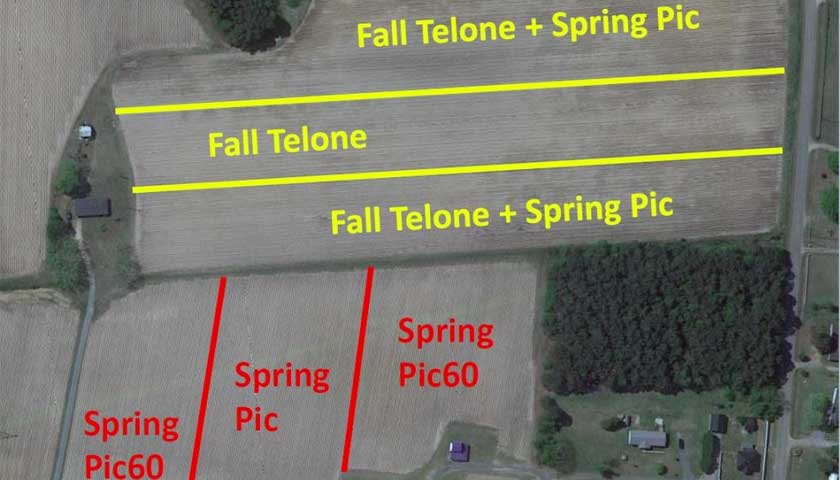
This project was established in East Central NC originally in 2021 to evaluate the effects of TELONE ™ II and Chloropicrin (PIC) on nematode suppression in Tobacco, Granville wilt suppression, and tobacco yield and quality. Is it possible to stagger harvest between the products?
We established 2 multi-year field trials in Fresno County California, one trial taking place in Firebaugh, and the other in Caruthers, both led by TriCal PCA-Victor Rodriguez to examine the benefits of TELONE™ and Chloropicrin providing early rootstock establishment..
It was an honor to get invited by one of our Scientists, Dr. Kristi Sanchez. It was remarkable to see her in action out in the field, doing what she does best: helping diagnose nematode issues and providing support to growers throughout the Central Valley.
Agricultural diseases can decimate your crop if you don’t take the proper preventative steps. Nematodes and other soilborne diseases need to be stopped in their tracks—and the right soil fumigation techniques can make all the difference.
Healthy soil is the foundation for successful agricultural production. One factor that can inhibit soil health is plant parasitic nematodes. Ee will discuss the importance of soil health, how nutrient cycling affects soil health, and the importance of soil fumigation in controlling nematodes.
Nematodes are incredibly diverse, thread-like roundworms that live in a wide range of soils. Mostly microscopic in size, nematodes have varied methods of survival. A majority of nematodes are microbial feeders found in the soil. They can feed on diverse food sources, including bacteria, fungi, and even other nematodes!
The first annual TriCal Group Tree and Vine School was a success. If you were able to attend the day of the event, Thursday – November 10th, we thank you! If you weren’t able to attend, then you can still check out all of the great speaker presentations.
Cucumbers are one of the most pest and disease susceptible vegetable crops and are sensitive to Nematodes, Rhizoctonia and Pythium levels. Moderate numbers of each detected on the SARDI DNA tests will cause economic damage and result in yield losses.
A long time ago, when Sam stopped using Telone for 4 years, he found that nematodes and diseases increased and nematicides did not control the cycle of nematodes. With further agronomy testing they found the exact and were able to tackle the issue head on.
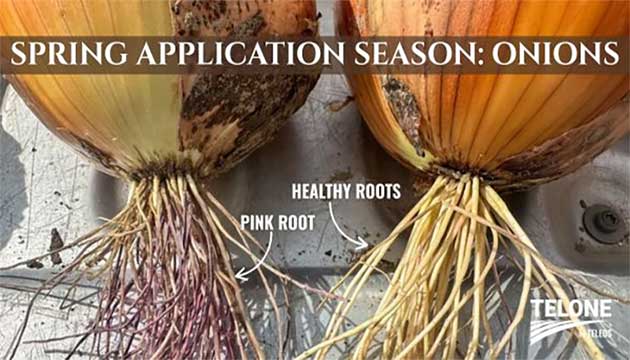
TriCal Australia knew it could help solve yield problems on an onion farm in Myalup, WA. Soil health was deteriorating, with higher rates of Pink Root, Rhizoctonia, Fusarium, Verticillium wilts, Sclerotinia, Pythium, and parasitic nematodes all being detected in soil DNA tests.
In California, nematodes can significantly impact crop production. They cause considerable damage to plant roots, disrupting the uptake of water and nutrients, resulting in reduced crop yield. For pre-treatment control soil fumigation is a vital management tool for growers.
Dr. Chad Hutchinson reviews how soil fumigation with Chloropicrin helps tackle potato scab, black dot, rhizoctonia, verticillium wilt, and nematodes while positively impacting overall soil health.?