Food Supply
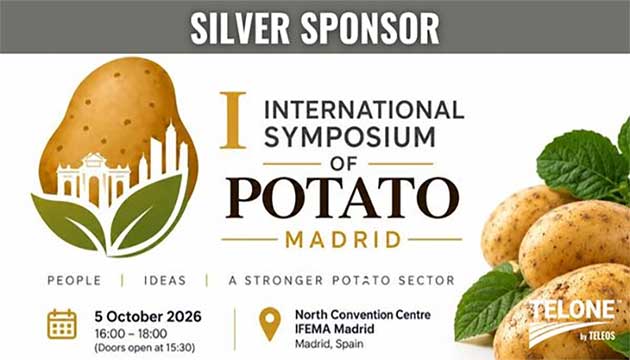
Teleos™ is proud to be a Silver Sponsor of this inaugural event, bringing together professionals from across global potato industry to discuss the future of potato production and innovation. Teleos™ is looking forward to meeting and the opportunity to connect with the European potato industry!

1st International Symposium of Potato | Madrid
Teleos™ is proud to be a Silver Sponsor of this inaugural event, bringing together professionals from across global potato industry to discuss the future of potato production and innovation. Teleos™ is looking forward to meeting and the opportunity to connect with the European potato industry!
Our Wisest Occupation
"Agriculture is our wisest occupation, because it will be in the end the one that contributes most to real wealth, good morals, and happiness." — Thomas Jefferson
TriCal de Baja shares this vision and recognize the value of agriculture as the foundation of the development of our communities.
California Agriculture
California is an agricultural powerhouse. Did you know California grows more than 400 different commodities and ranks among the top five agricultural suppliers in the world? From fresh fruits and vegetables to nuts, vineyards, and specialty crops, the state's diverse agriculture helps feed families and support economies across the globe. At TriCal, Inc., we are proud to be part of this incredible story. Every day, we work alongside California growers by providing innovative soil health and crop production solutions that help protect crops, improve productivity, and support sustainable farming practices. Being part of one of the world's leading agricultural regions inspires us to continue helping growers build a strong future for agriculture.
Sustainable Farming | Australia
"It's clear that agriculture, done right, is the best means the world has today to simultaneously tackle food security, poverty and environmental degradation." This quote is a reminder that sustainable farming is about more than growing crops. It's about supporting food security, caring for the environment and helping build resilient communities for generations to come. Agriculture has the power to shape a healthier future. At TriCal Australia, we're proud to work alongside growers in creating healthy growing environments that contribute to a more sustainable future.

What Pecan Growers Should Know About Today's Market
TriEst Ag Group recently hosted Anne Warden, Chief Executive Officer of the American Pecan Council and the American Pecan Promotion Board, for our group of companies. During her presentation, Anne shared valuable insights into the current state of the pecan industry.
Georgia Call for Protections for U.S. Specialty Crop
Recently, Georgia Department of Agriculture called for stronger protections for U.S. specialty crop producers, noting that American farmers compete while meeting some of the world's most rigorous labor, environmental, food safety, and pesticide regulations.

SweetPotatos | North Carolina
A new industry outlook from the North Carolina Sweetpotato Commission projects North Carolina's 2026 sweetpotato harvest to be slightly larger than last year. The forecast is driven by growing global demand, expanding export markets, and continued investment in research, innovation, and production practices.
National Agriculture Day
On National Agriculture Day, March 24, TriCal Group celebrates the dedication, resilience, and innovation of America’s farmers and ranchers. As American Farm Bureau President Zippy Duvall said, “Farmers are doing a good job of being sustainable, and they want to do an even better job in the future.” TriCal Group is proud to stand with growers, supporting soil health and sustainable production for generations to come.
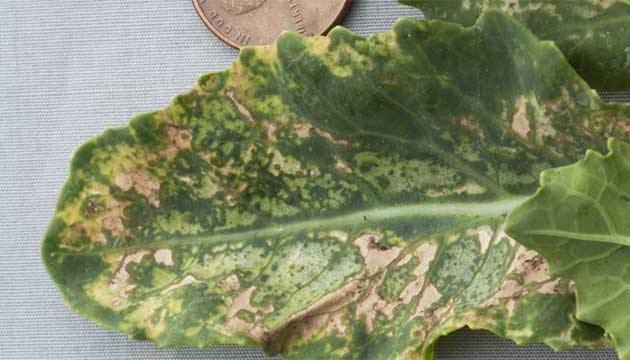
How To Distinguish Weather-Related Crop Injury From Disease
There has been outrageous weather in parts of our nation this year. “Bomb cyclones” were dropping hsnow and unleashing winds. Historically huge snowstorms paralyzed all transportation and interfered with daily tasks. Cold-paralyzed iguanas were falling from trees in Florida!

Food Demand is Expected to Increase 70% by 2050
Food demand is expected to increase 70 percent by 2050 so we need to make sure farmers have the tools they need to continue to feed the world. Using TELONE™ helps farmers maximize crop quality and yields, ensuring a safe, steady and affordable food supply for all.

Australian Grain Storage & Protection Conference
Doug Bell of Trical Australia is looking forward to attending this year's Australian Grain Storage & Protection Conference in Melbourne in two weeks. He can't wait to see some of my Aussie mates and make some new connections.

Educational Outreach: Agknowledge Program in Salinas, California
The Agknowledge Program in Salinas, California, organized by the Grower-Shipper Association Foundation, is an initiative that brings together the Monterey County community to educate them on issues and public policies affecting the local agricultural industry.

New Report Finds 97% of Fruits and Vegetables Sampled in California Meet Pesticide Safety Standards
The DPR released the 2021 California Pesticide Residue Monitoring Program Report showing that 97% of produce collected in 2021 had no detectable pesticide residues. More than 98% of “grown in California” produce had no residues that exceeded allowable levels.