May is National Lettuce Month
May is National Lettuce Month and at TriCal Group, we’re proud to celebrate one of the most essential and refreshing staples in fresh produce. Behind every head of lettuce is a commitment to quality, sustainability, and the people who make it all possible, from the field to your fork.
May is National Strawberry Month
As we celebrate America's favorite berry, let's dive into a recent report by the California Strawberry Commission. The recently-released report highlights that strawberry production continues to grow—reinforcing just how important this specialty crop is to U.S. agriculture.
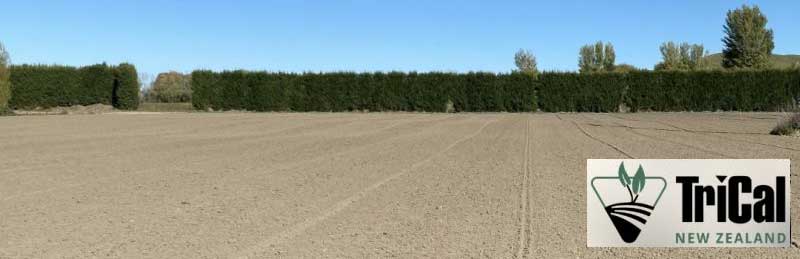
Effective Farmland Preparation | New Zealand
Soil fumigation is one of the tools growers use to manage soil-borne pests and diseases before planting, helping to create a healthier soil environment. TriCal New Zealand supports growers with science-based soil solutions designed to promote strong establishment and long-term production outcomes.
Happy Earth Day from TriCal Group!
Today we celebrate the planet we all share and renew our commitment to protecting it for future generations. At TriCal Group, we recognize that even small actions can make a big difference, and we are proud to support sustainable practices across our communities and workplaces.

World Potato Congress Launches Global Working Groups to Drive Collaboration
The World Potato Congress (WPC) is turning informal networking momentum into formal global action, announcing the launch of Global Potato Thematic Working Groups ahead of its 2026 Congress in Kenya.
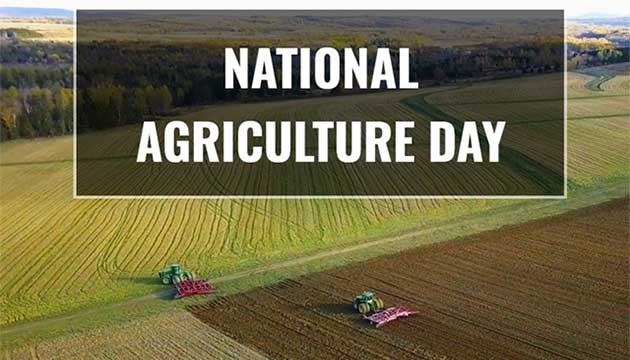
National Agriculture Day
On National Agriculture Day, March 24, TriCal Group celebrates the dedication, resilience, and innovation of America’s farmers and ranchers. As American Farm Bureau President Zippy Duvall said, “Farmers are doing a good job of being sustainable, and they want to do an even better job in the future.” TriCal Group is proud to stand with growers, supporting soil health and sustainable production for generations to come.

TriEst Ag Delivers Agricultural Technology Solutions
TriEst Ag Group partners with growers to deliver agricultural technology solutions that improve efficiency and sustainability across open-field and controlled environment production. From basic manual controls to advanced automation, we provide practical, right-sized systems designed to support your operation as it grows.
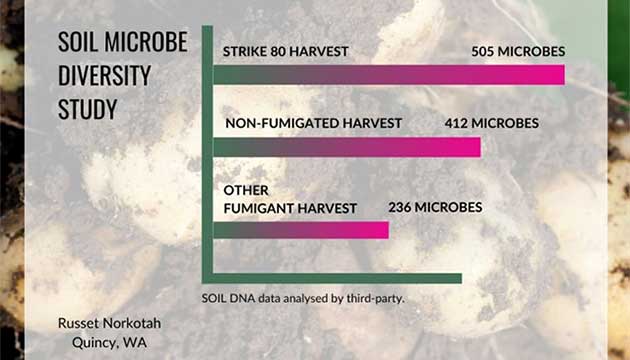
Functional Sustainability in Agriculture
According to Dr. Chad Hutchinson, Functional Sustainability in agriculture means measurable improvements in soil health, resource efficiency, and overall crop system performance. Advances in genomic soil analysis now allow us to evaluate soil health at the microbiome level, using DNA sequencing.

Chad Hutchinson speaks at the Potato Expo 2026
TriCal Group's Chad Hutchinson said he was honored to join a panel on potato quality at Potato Expo 2026 alongside Jeff Douglas and Aimee Nielson. They discussed why marketable yield is the real metric that matters, and how managing quality requires a systems view—from genetics and moisture management to soil pH, biology, and targeted chemistry.
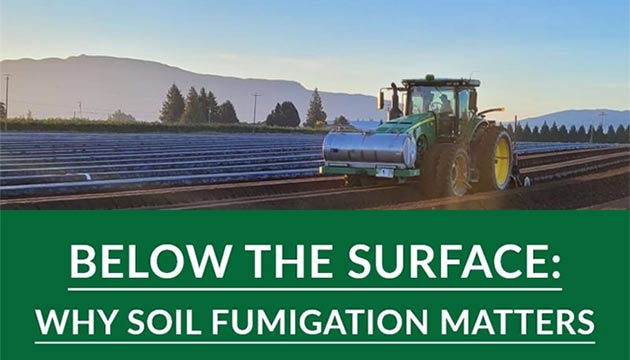
Why Soil Fumigation Matters
Soil fumigation is a key tool for managing soil-borne pests, including nematodes, fungi, bacteria, and insects. Soil fumigation helps create a healthier environment for crop establishment and growth. Healthy soil supports stronger stands , vigorous roots, and improved yield potential right from the start.
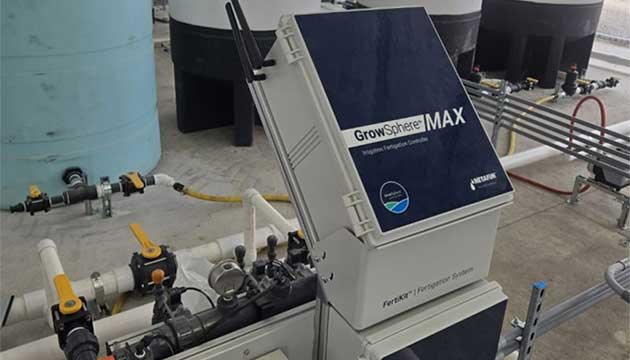
TriEst Ag Delivers Agricultural Technology Solutions
TriEst Ag Group partners with growers to deliver agricultural technology solutions that improve efficiency and sustainability across open-field and controlled environment production. From basic manual controls to advanced automation, we provide practical, right-sized systems designed to support your operation as it grows.

Catalyst-Activated Cycle (CAC) – Manuscript 6: Functional Performance Markets and Circular Value Architecture
Manuscript 6 extends CAC into the financial domain, proposing a model in which verified soil-functional data form the basis of markets. The manuscript introduces the Functional Sustainability Architecture (FSA).
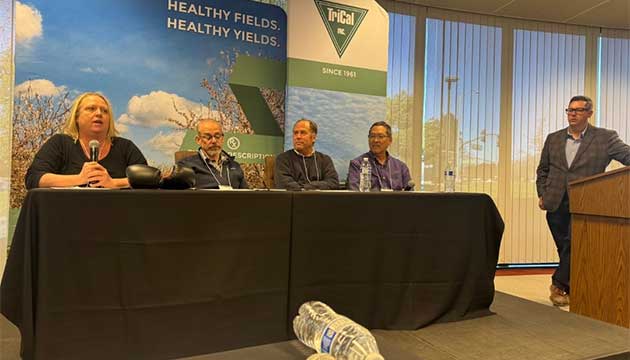
TriCal Group’s West Coast-affiliated Companies - 2026 S
TriCal Group’s West Coast-affiliated companies came together for our 2026 Sales Meeting Event - two energizing days focused on industry insight, innovation, stewardship, and teamwork. Together, we are moving forward in our mission to serve agriculture responsibly.
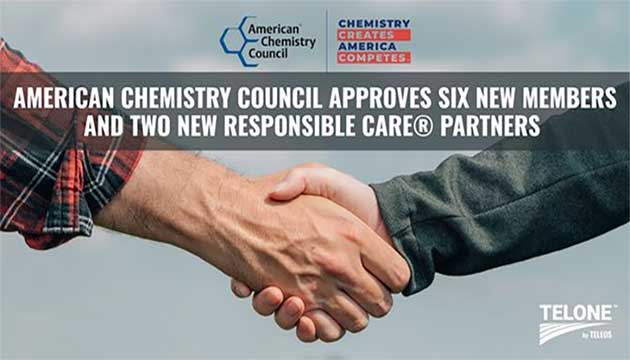
Teleos Ag Solutions Joins the American Chemistry Council
Teleos Ag Solutions joins the American Chemistry Council, and is honored to collaborate with peers across industries who share our vision of advancing sustainable solutions that help farmers thrive while protecting the soil and ecosystems we all depend on.
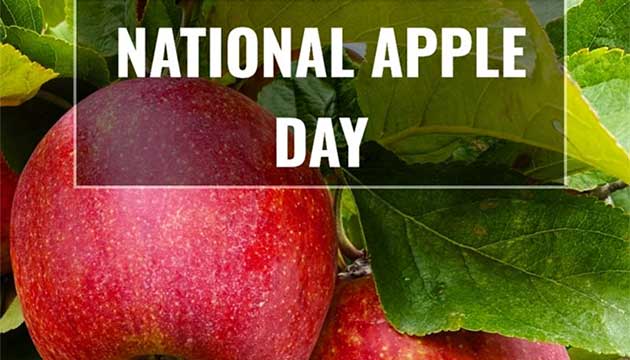
TriCal Celebrates National Apple Day
October 21st is National Apple Day, the companies of TriCal Group recognize the growers who bring healthy, high-quality apples to our tables. TriCal Group is proud to support apple producers with science-based soil and crop solutions that enhance yield, quality, and sustainability.
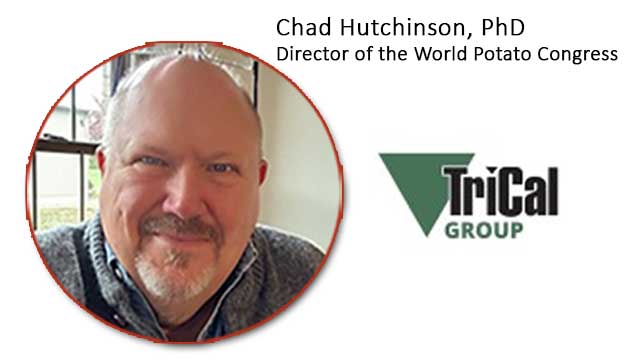
TriCal Group Becomes Diamond Sustaining Partner of the WPC
TriCal Group becomes the first Diamond Sustaining Partner of the World Potato Congress, marking a new era of collaboration ahead of WPC 2026 in Kenya. With deep expertise in soil health and sustainability, TriCal strengthens WPC’s global mission.
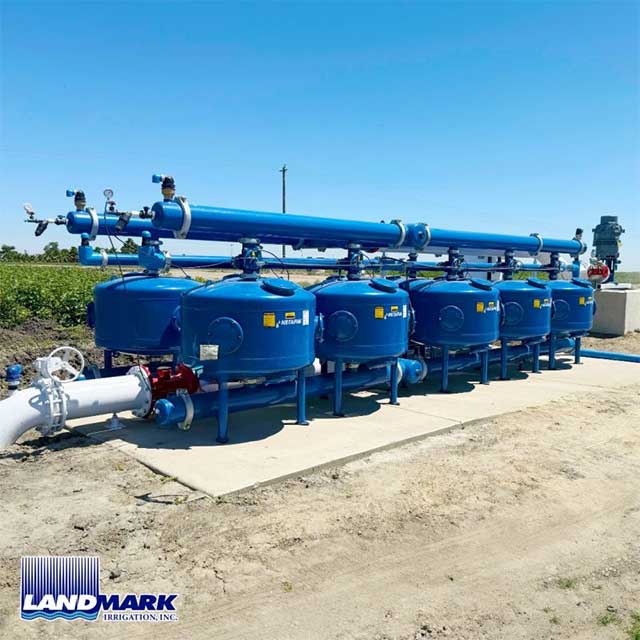
Landmark Irrigation Installs New Irrigation System
Landmark Irrigation is proud to have designed and installed an efficient irrigation system for this 200-acre field. Thier team is dedicated to providing growers with reliable solutions that promote sustainability and maximize productivity.
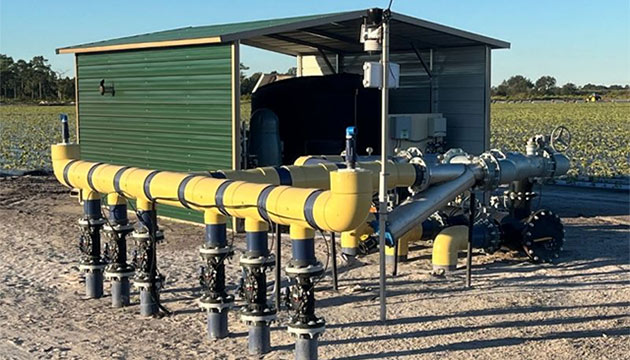
A Well-Designed Irrigation System for your Farm
A well-designed irrigation system for your farm or nursery means efficient water use, lower energy costs, and healthier crops. At TriEst, we build systems that deliver performance and sustainability—because every drop counts.
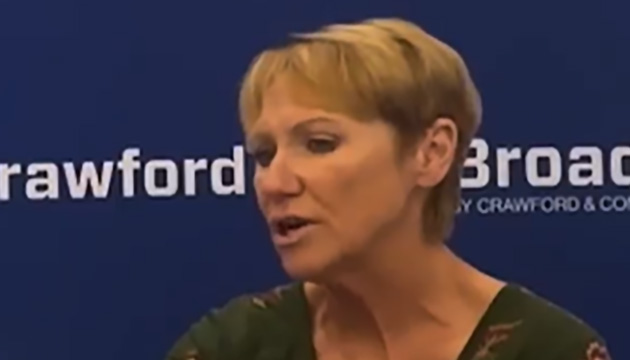
Beth Mineau Speaks on Beyond the Claim
In a recent episode of Beyond the Claim, Beth Mineau, Director of Strategy, Sustainability and Risk Management at TriCal Group, shares how she went from insuring the company to becoming its embedded risk leader, protecting people, land, and legacy across a global agricultural operation.
How Strawberries Became the Crop we Know Today
This month’s blog is live: How Strawberries Became the Crop We Know Today. Long before they filled grocery shelves, strawberries were wild fruits foraged by ancient peoples. Strawberries aren’t just sweet—they’re a story of science, culture, and resilience.
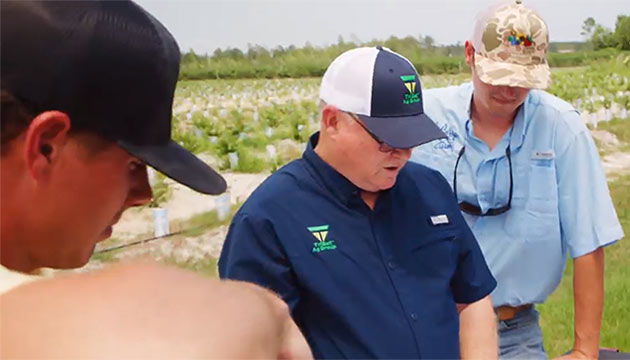
Real Farm Results Start with Precision Irrigation.
TriEst Ag Group is proud to support Walker Farms in Georgia with systems solutions built for performance, sustainability, and long-term success. We bring growers expertly designed systems powered by top-quality products, helping Walker Brothers boost efficiency and crop health.
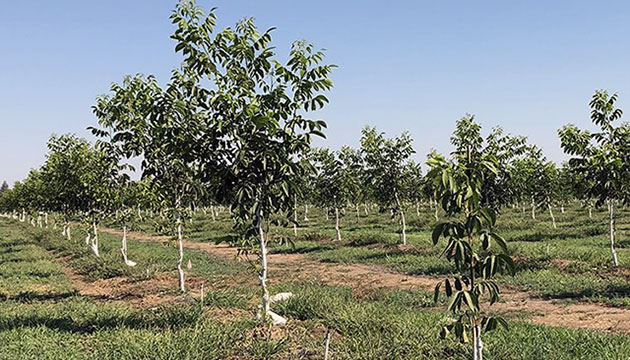
CDPR Study Shows No Impact for 1,3-D
The California Department of Pesticide Regulation (CDPR) recently reported the results of a study conducted in Stanislaus County on air concentrations of three soil fumigants. No measurements exceeded 4% of the regulatory threshold, meaning there was no impact from the application of these fumigants.
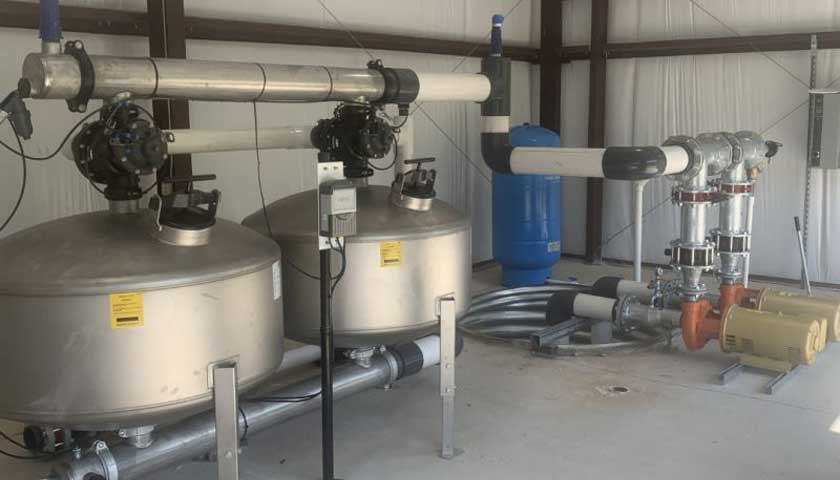
Well-Designed Irrigation System for Healthier Crops
A well-designed irrigation system for your farm or nursery means efficient water use, lower energy costs, and healthier crops. At TriEst, we build systems that deliver performance and sustainability—because every drop counts.
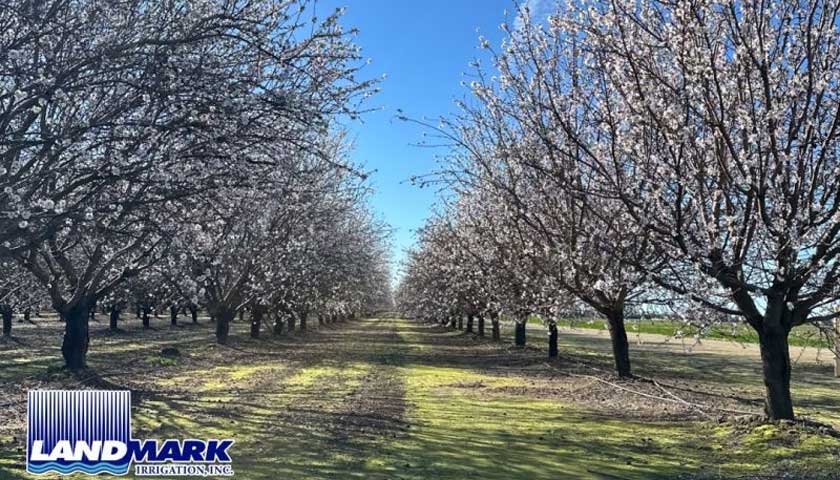
Efficient Irrigation is Crucial in Almond Orchards.
Efficient irrigation is crucial in almond orchards. It ensures trees get the water they need when they need it—promoting healthy growth, strong yields, and long-term sustainability. Landmark Irrigation is proud to support growers with systems that deliver results while conserving water.
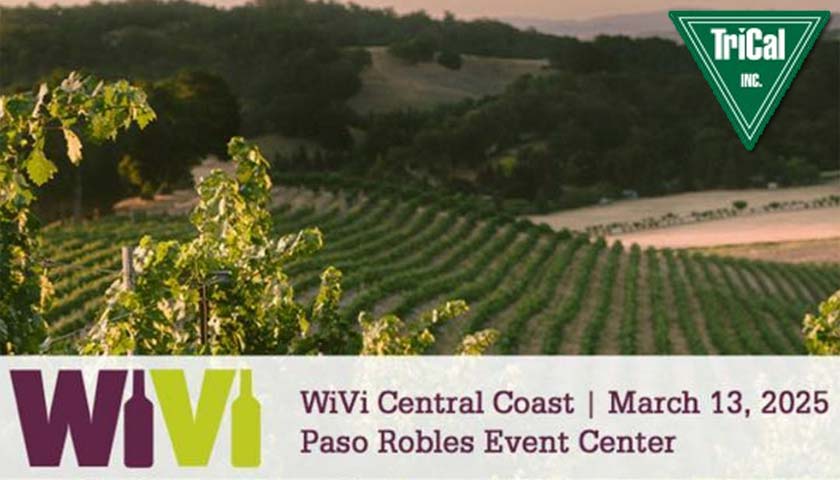
TriCal visiting the WIVI Central Coast Conference
The WIVI Central Coast Conference 2025 will be in Paso Robles, CA, on March 13 at the Paso Robles Event Center. Don’t miss the chance to visit the TriCal Inc. booth. Stop by their booth to explore how we can work together to boost productivity and sustainability in your operation.
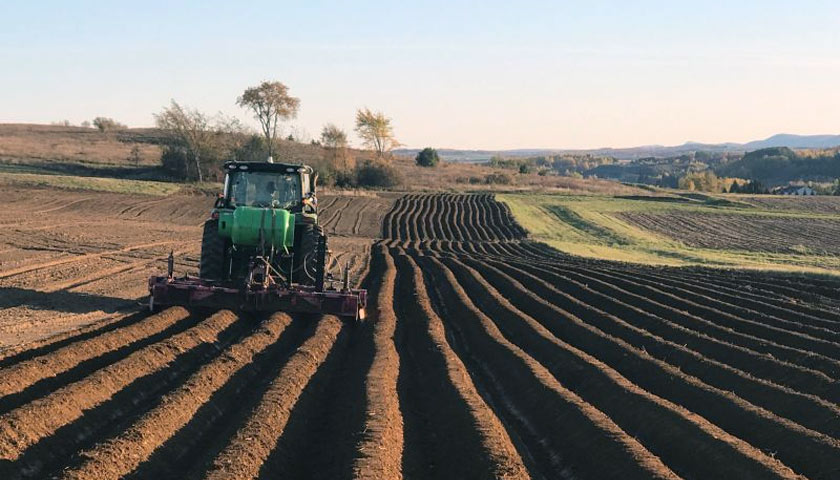
Stronger Plants, Better Yields, Fewer Resources
Stronger plants, better yields, fewer resources - and a lower carbon footprint. Potato growers face big sustainability goals, but with the right tools, we can get there—without sacrificing productivity. One tool that’s helping make this possible is Strike, driven by the chloropicrin.
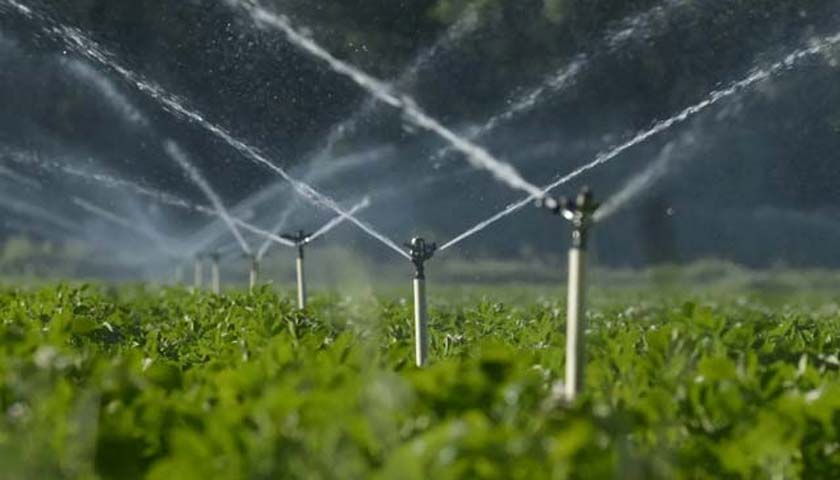
Functional Sustainability: How Using TELONE™ Can Lower Water and Fertilizer Inputs
In modern agriculture, the efficient use of resources is paramount. Growers seek ways to optimize water and fertilizers while maintaining or enhancing crop yields. By applying TELONE™ before planting roots can develop without the hindrance of pests.
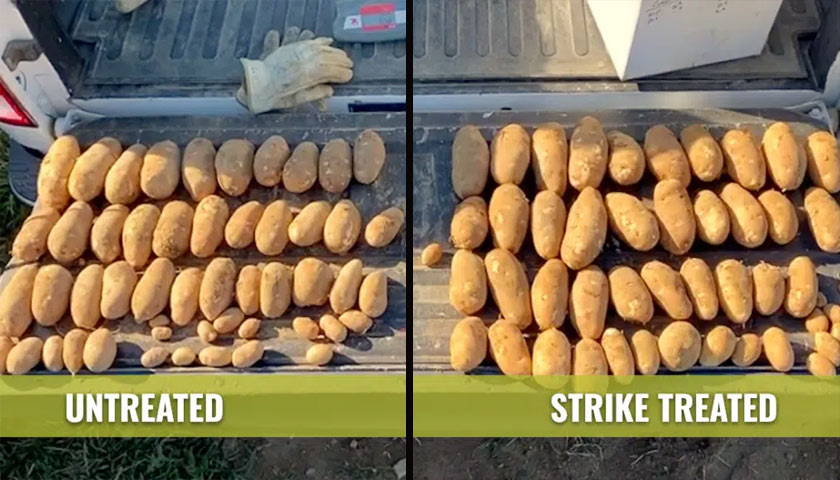
How to Grow More with Less
Chad Hutchinson writes in Spudsmart that the potato industry embraces regenerative agriculture, sustainability is becoming more than just a goal: it’s an expectation. Processors and buyers are setting ambitious targets for fertilizer reduction, water use efficiency and soil health improvement.
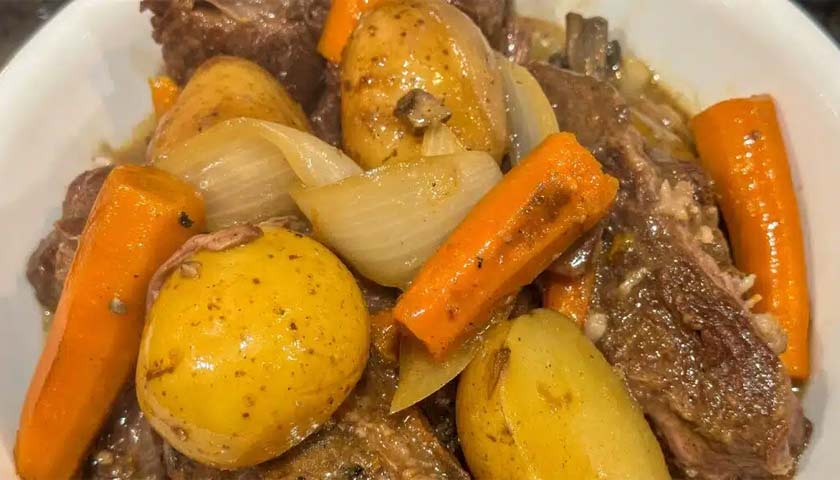
Increased Yields Equals More “Servings”
Whether you side with organic or conventional, soil fumigation or in-crop disease management, no-till, cover crops or part of the sustainability discussion; what matters is that sustainability’s definition prioritizes both environmental and economic longevity is to be be functional.
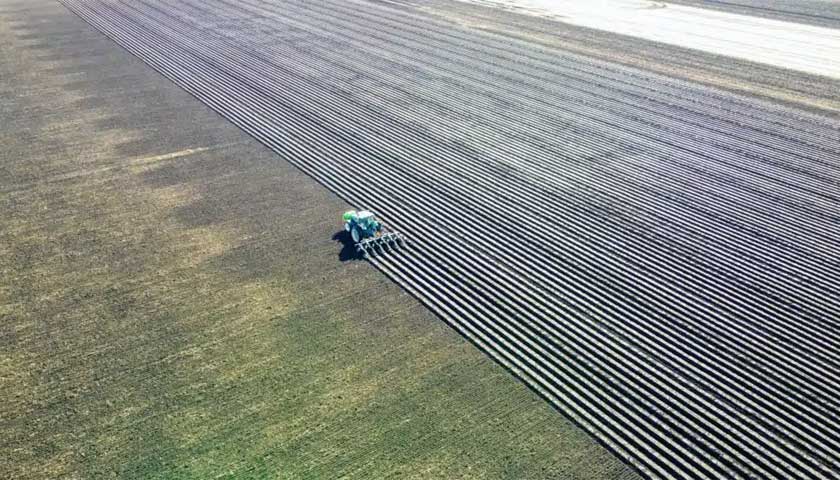
It’s ‘Harvest Earned, Not Harvest Given’
Our goal is to help you reach your growing potential. This is your livelihood, and you put in a lot of work. We see our role as being partners in farmers’ efforts. We can’t put in the hours in the tractor, but we can support soil health and effectively suppressing soil-borne pathogens.
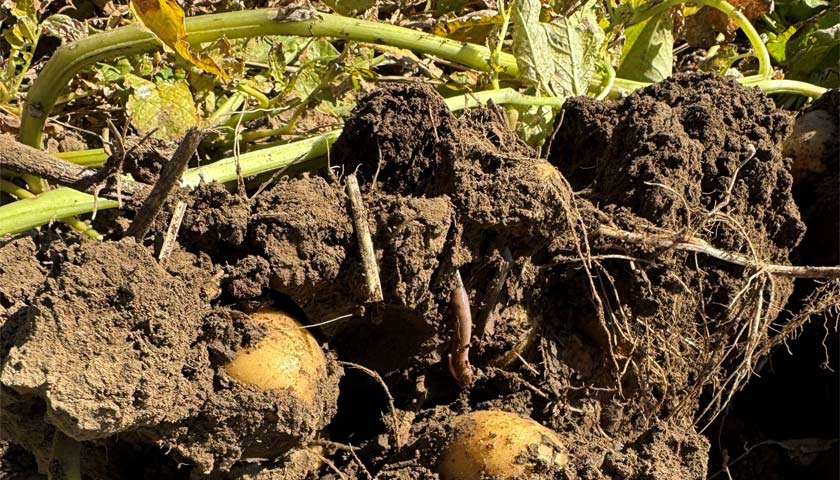
Meister Media Worldwide's Annual Soil Health Report.
Meister Media Worldwide's Annual Soil Health Report is now available! Our very own Dr. Randy (RM) Huckaba was interviewed for the piece, sharing thoughts on how soil fumigation with TELONE™ can be a vital part of a sustainable pest management plan.
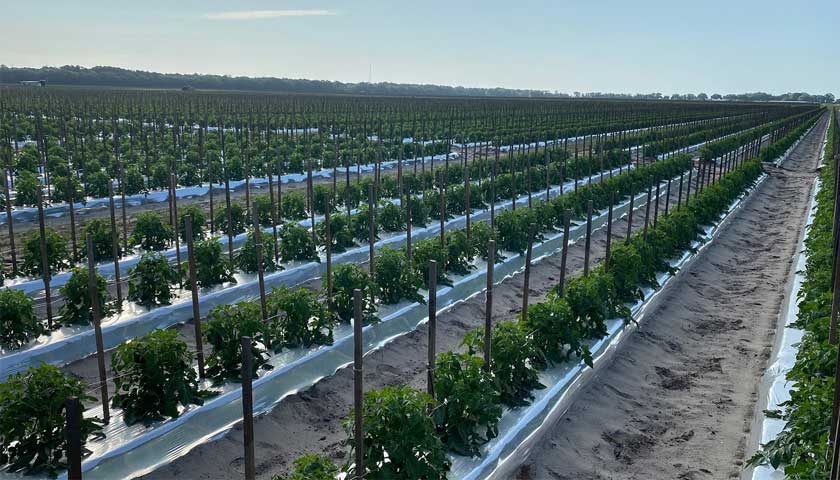
Triest Ag Group: Partners in Profitability
There is a lot of talk about sustainability and regeneration in agriculture these days. But what do those terms really mean? If you ask five people, you might get five different definitions. But for Josh Mays, Director of Agronomy for TriEst Ag Group, it all starts with profitability.
A High-tech Look Inside Soil’s Microbiome
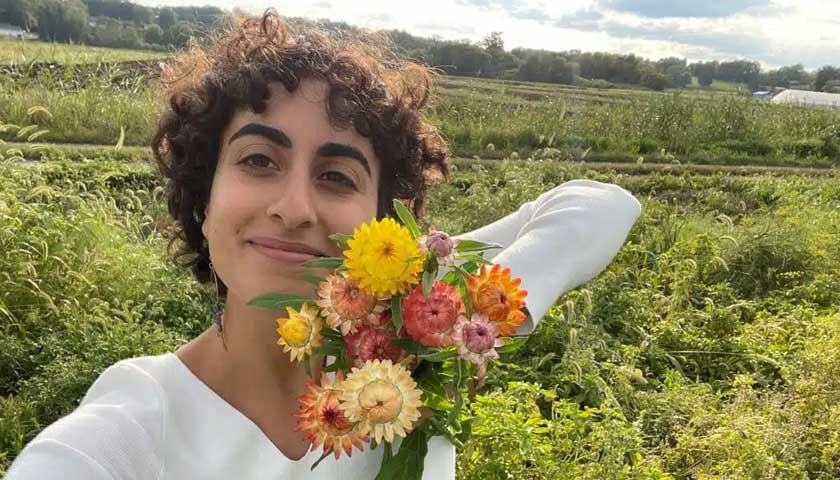
Chad Hutchinson is pleased to discuss soil microbes and sustainability with Joy Youwakim, an agroecology scientist at Biome Makers, an independent, third-party genomics company that specializes in DNA sequencing of agricultural soil samples.
Pushing for Sustainability Is Good, But Only If We Know What We’re Aiming For
You’d be hard pressed to look anywhere in agriculture today without running into the word ‘sustainability’. The whole industry is pressing forward on sustainability…but what does sustainability really mean? How do we define sustainability’s goals?
Sustainability and profitability: two sides of one well-managed coin
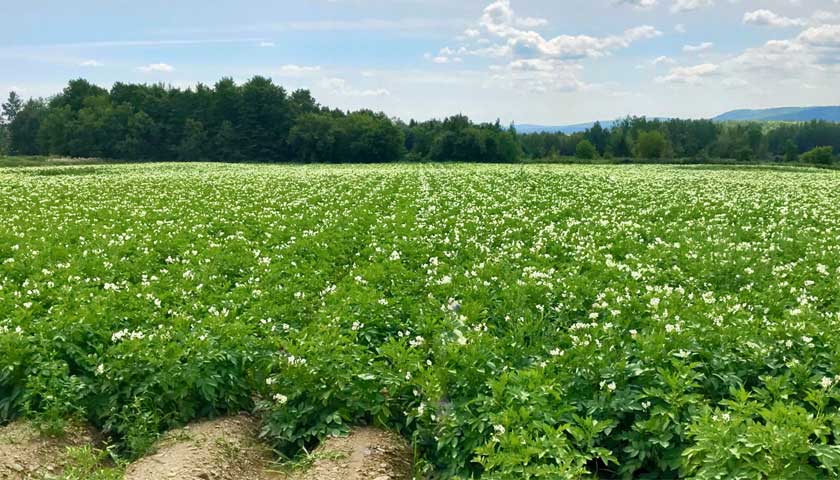
Sustainability is a priorities in agriculture today. Recognizing that responsible management of resources is critical to ensuring agriculture can meet the world’s food, feed, and fiber needs today and tomorrow too, farmers are supportive of improving sustainability.
Potato Farming Realities and Sustainability
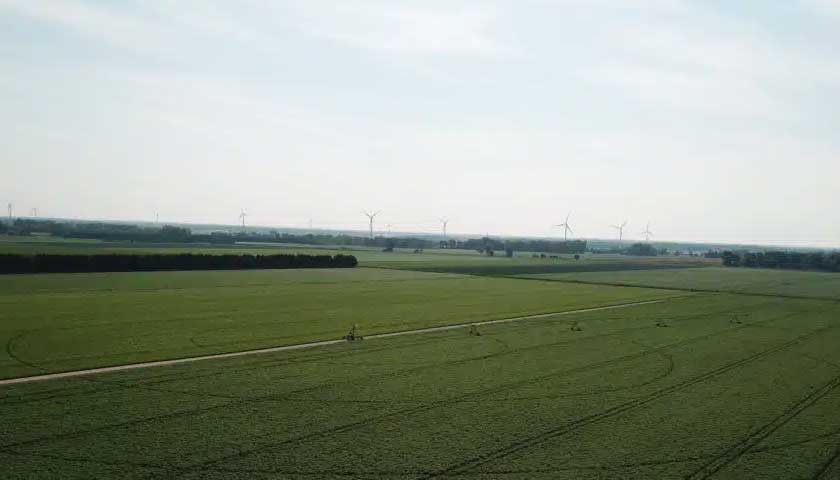
It seems everyone is talking sustainability today. But, what does sustainability really mean in the context of today’s farming realities, and how do we achieve it in practical, real-world application?
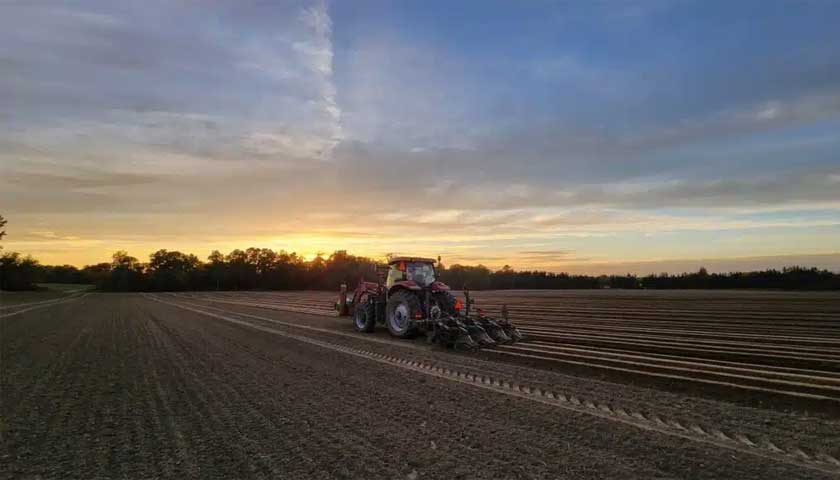
Does Soil Fumigation Have a Place in Regenerative Agriculture?
Over the past handful of months, I’ve attended a whole pile of potato seminars, expos, forums and conferences around the world. Regenerative agriculture and sustainability are almost always top of the agenda.
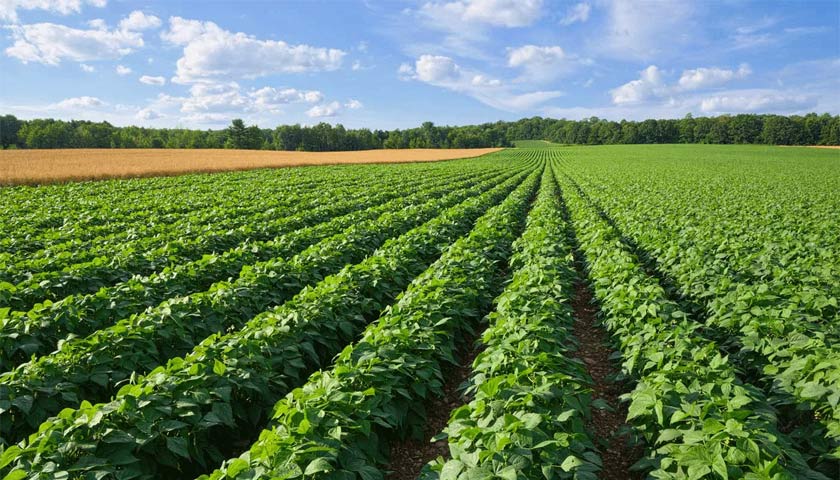
Introduction To Sustainable Agriculture
The term sustainability has become more engrained in everyday use, but the term is difficult to define. The Merriam-Webster Dictionary defines sustainability as “of, relating to, or being a method of harvesting or using a resource so that the resource is not depleted or permanently damaged.”

Potato School Snapshot - Can Fumigation and Sustainability Align?
As an agronomist and potato scientist, I’m always fascinated to hear the latest research from potato experts around the world. That’s why the TriCal Group’s Potato School with its focus on grower education is one of my favorite events.
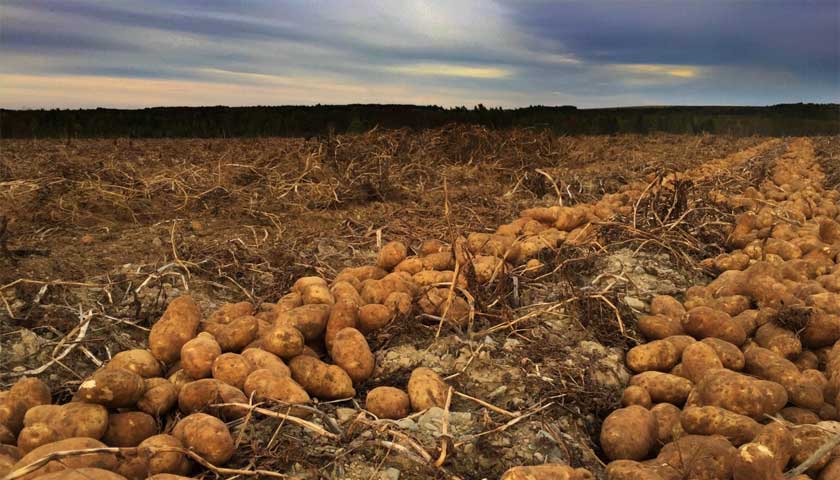
Make the first – and biggest – step toward sustainability
Potato farmers today are pushing hard for sustainability. Regenerative, soil-health promoting practices like reduced tillage, cover cropping, and planting into more residue to reduce erosion are all increasingly mainstream.
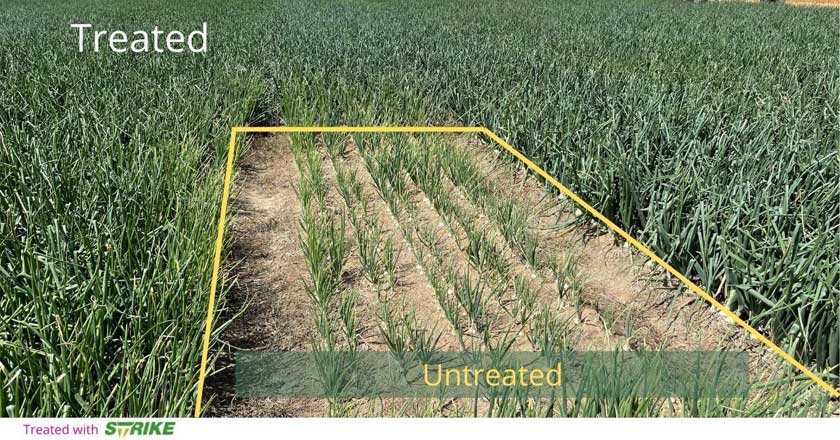
Why Paul is Guilt-free About Doubling his Yield with Soil Fumigation
Over the last couple articles, I’ve told you about Paul: a highly experienced, sustainability-focused Ontario potato producer who saw yield skyrocket when he started using chloropicrin (the active ingredient in Strike) as a soil fumigant.
New Technology Provides First-Ever Snapshot of Fumigants’ Impact on Soil Health
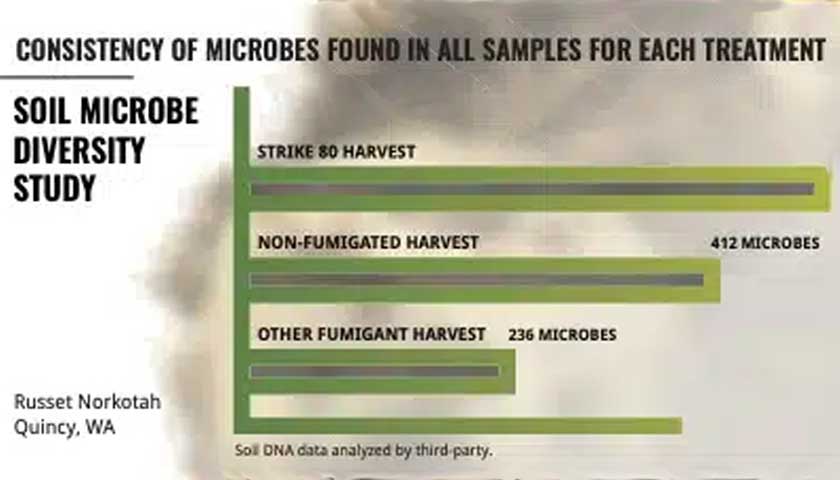
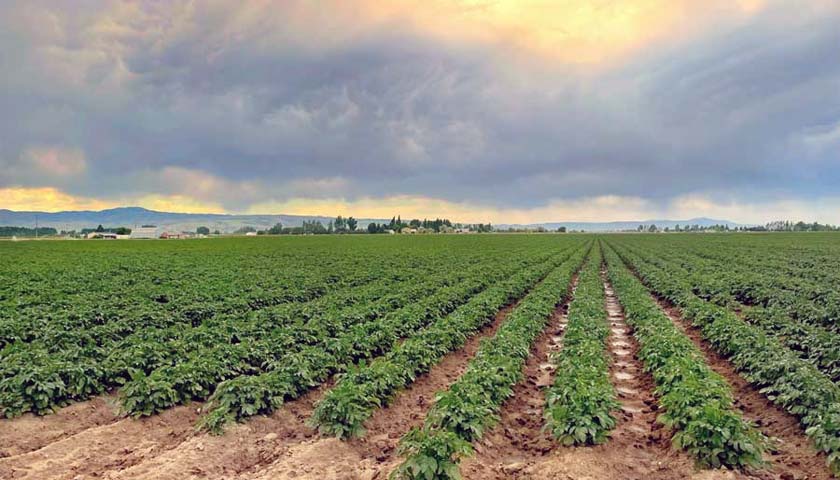
Soil fumigation is highly effective at managing soil pests that cause crop disease. However, it is regularly accused of doing more harm than good to overall soil biology. Advances in genetic sequencing technology can now show how fumigation actually changes bacterial and fungal populations in agricultural soil, and the close-up look is surprising.
Disease Management vs. Sustainability — Does it Have to be a Choice?
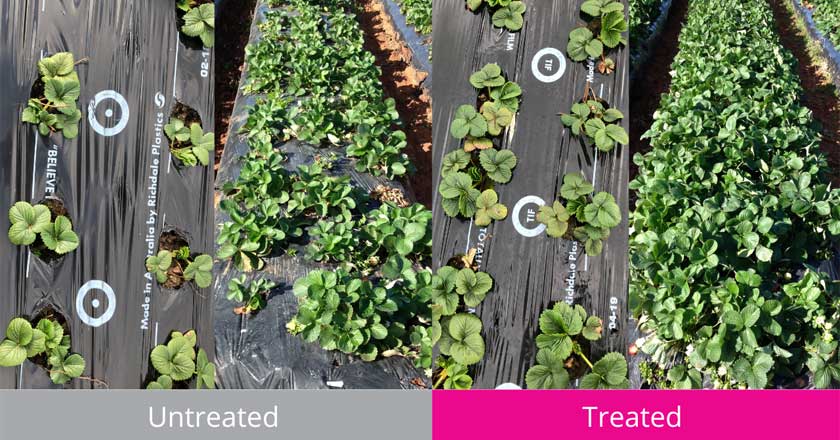
The push for sustainability in agriculture: cover crops, reduced tillage, planting into more residue to reduce erosion, and choosing more sustainable chemical inputs are priorities for our whole industry. Is there a way to do that while controlling disease and staying profitable too?
Soil Fumigation Treatment Zones — What You Don’t Know Could be Stealing from Your Investment
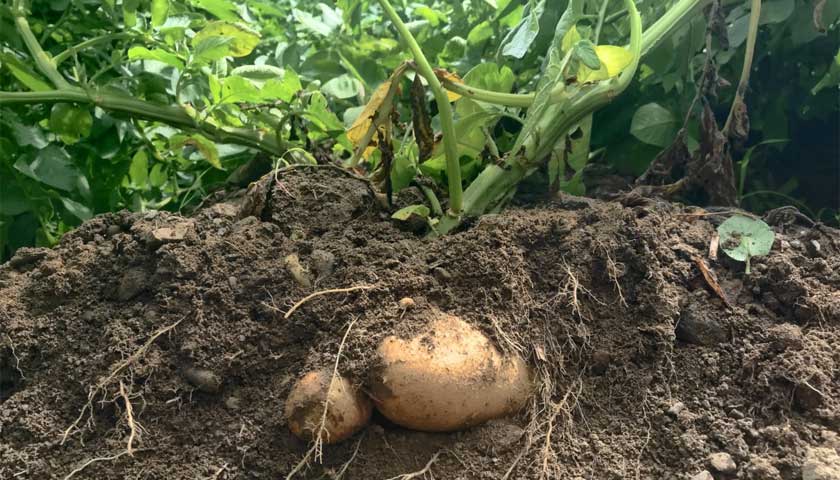
When growers apply Strike soil fumigant under their carefully managed field conditions, they get impressive results — control of rhizoctonia, black dot, common scab; boosted crop yield and improved sustainability.
Are You Throwing Money Away on Your Soil Fumigation?
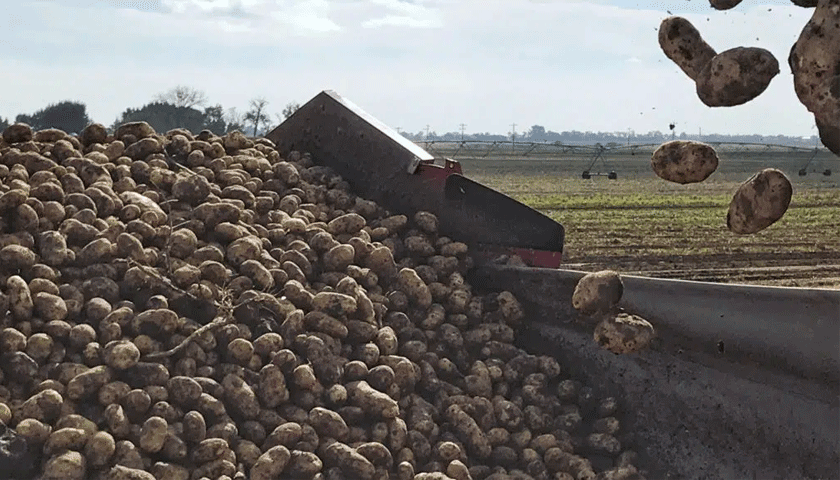
You’ve seen the research study results that show soil fumigation with Strike can effectively subdue rhizoctonia, black dot, common scab, and early die complex. You’ve heard experts explain how chloropicrin can boost soil’s health and potato production’s sustainability.
What’s Biting into Your Farm’s Economic and Environmental Sustainability?
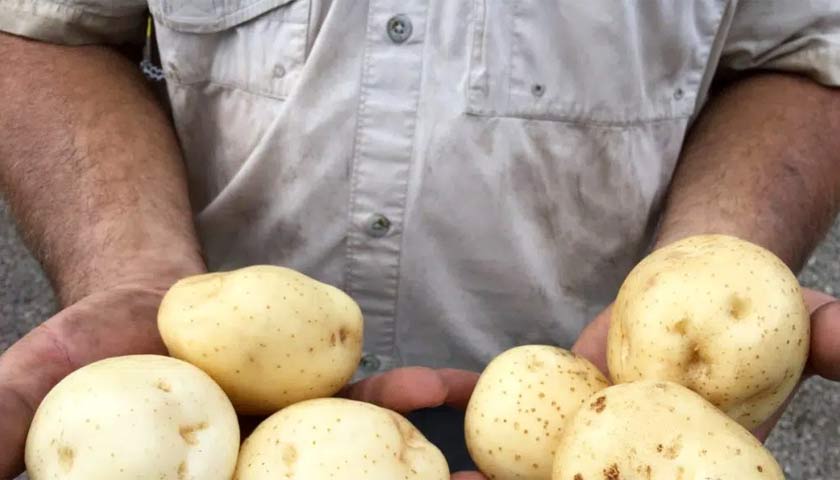
Up to 58 per cent of all the food produced in Canada is lost or wasted each year. Think about that: nearly two of every three potatoes you grow get chucked. If you are like most farmers I know – strong and honorable people who are proud to be part of feeding the world – knowing that so much of your effort is wasted is nothing short of offensive.
Sustainability = Environmental Stewardship, But Economic Success Too
Sustainability is one of the more commonly misunderstood concepts in agriculture today. At times agricultural success, especially higher productivity, is put at odds with ‘sustainability’. This is not necessary, and here’s why.

Fumigation reduces soilborne diseases, which helps sustainability
Improving sustainable potato production is a goal for the potato industry. The basic concept of sustainable crop production is to produce an economically viable crop while maintaining or improving soil health and reducing the potential environmental impacts.

4 Benefits of Soil Fumigation
Fumigation is an important part of a larger integrated pest management plan (IPM). If left untreated, many organisms and parasites harm crop development and yields.
Soil fumigation does more for your crops than just managing harmful, soil-borne organisms and plant parasitic nematodes. It:
- Reduces pests and pathogens
- Fumigants contain effective chemicals that reduce pest populations, in turn boosting the health of your soil.
- Improves plant growth and yield
- Because soil fumigants facilitate healthier soil, your plants have the best chance to thrive right from the start.
- Manages soil-borne diseases
- Fumigants stop diseases from creating unhealthy soil that would make otherwise healthy plants become sick and stunted.
- Improves the food economy
- Soil fumigation keeps food costs lower. Agricultural losses, including smaller yields, increase the overall costs of produce.
Dr. Randy Huckaba, What Is Soil Fumigation and Why Does It Matter?