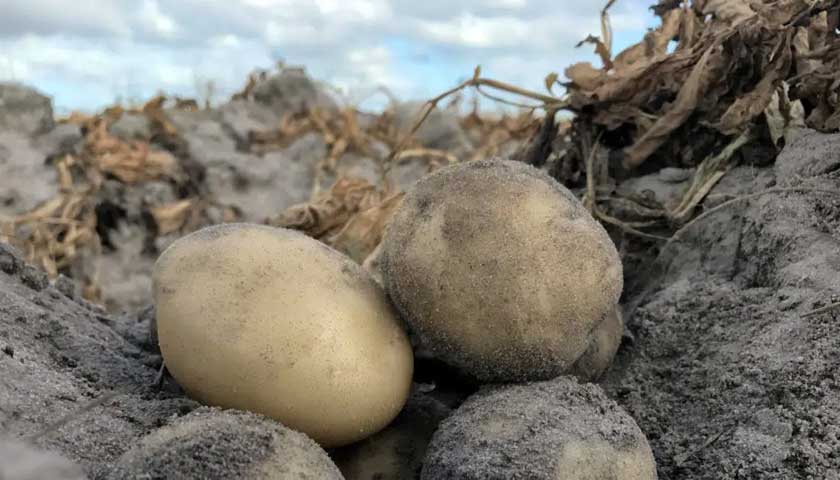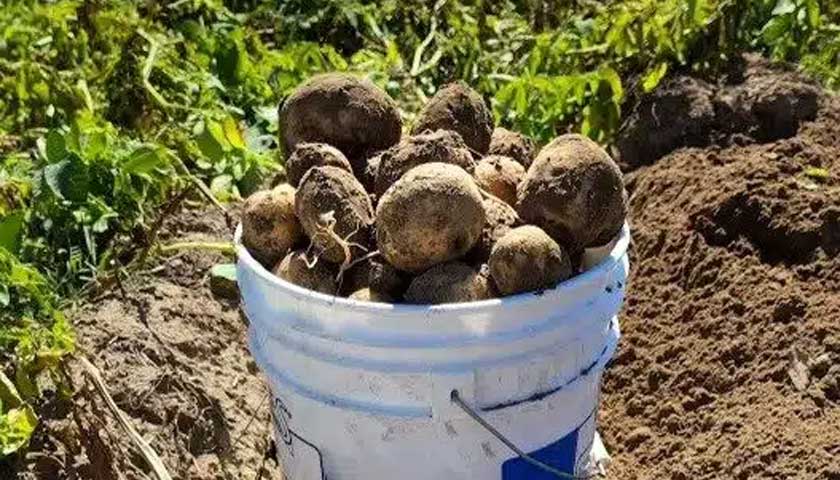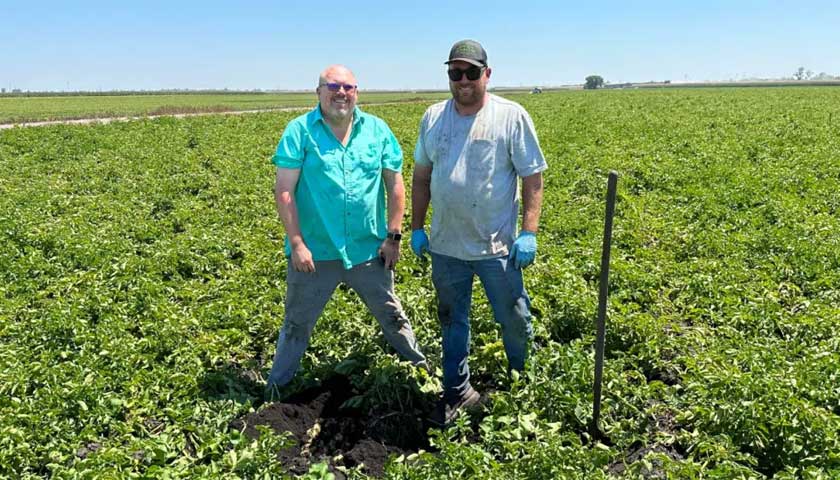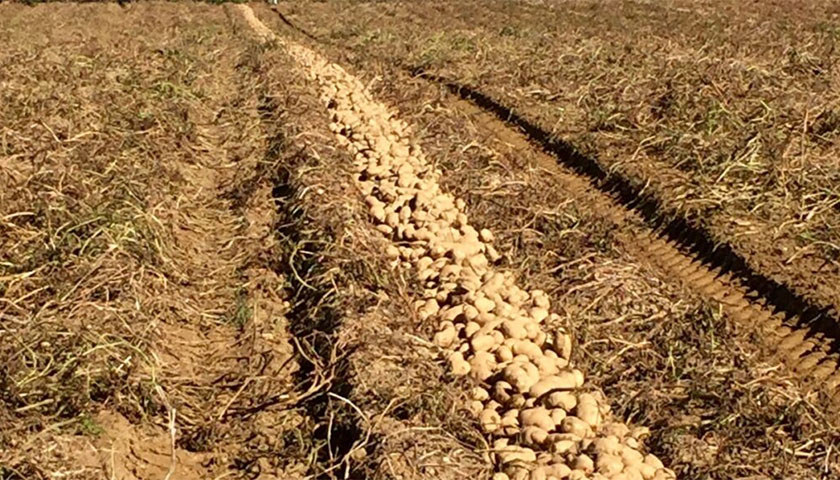
Chad Hutchinson of TriCal Group explains that “tired” potato fields are often the result of more than one issue. Soil-borne disease pressure, weaker carbon flow and small inefficiencies can build over time, reducing crop responsiveness and making yield performance less consistent.
Read More
Over the last couple articles, I’ve told you about Paul: a highly experienced, sustainability-focused Ontario potato producer who saw yield skyrocket when he started using chloropicrin (the active ingredient in Strike) as a soil fumigant.
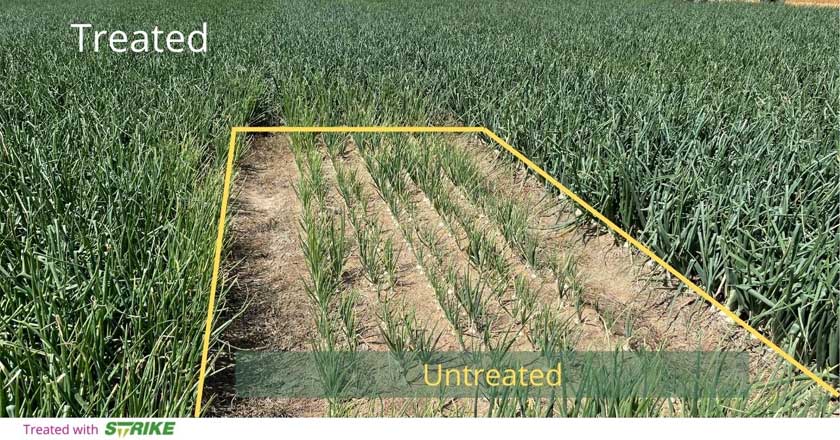
TriCal Australia knew it could help solve yield problems on an onion farm in Myalup, WA. Soil health was deteriorating, with higher rates of Pink Root, Rhizoctonia, Fusarium, Verticillium wilts, Sclerotinia, Pythium, and parasitic nematodes all being detected in soil DNA tests.
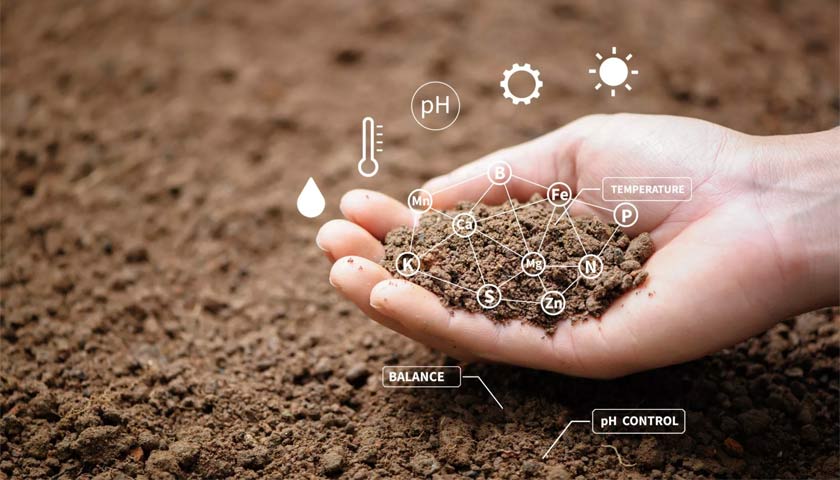
Healthy soil is the foundation for successful agricultural production. One factor that can inhibit soil health is plant parasitic nematodes. Ee will discuss the importance of soil health, how nutrient cycling affects soil health, and the importance of soil fumigation in controlling nematodes.
Agricultural diseases can decimate your crop if you don’t take the proper preventative steps. Nematodes and other soilborne diseases need to be stopped in their tracks—and the right soil fumigation techniques can make all the difference.
If you’ve farmed for several decades, you’ve seen firsthand the shift from broad spectrum to targeted pest management. Partially, the change has occurred because today’s available technologies are so vastly more precise than what our parents and grandparents used.
A group of scientists at the University of Florida have been investigating the impact of soil fumigation on microbial communities and recently published some of their findings. They found that fumigant treatments with greater than 60% chloropicrin consistently increased tomato yield
Chloropicrin has been used as an agricultural product for soil-borne pest suppression in specialty crops throughout the world for over 60 years. It is a bio-nutritional soil fumigant that breaks down into elements that are naturally utilized by plants: carbon, chlorine, nitrogen, and oxygen.
One gram of soil can hold more than 50,000 species of microbes, all living, breathing, interacting and impacting our soil, land, and air. Swiss researcher Mark Anthony recently calculated that soil is home to 59% of Earth’s total life, the most biodiverse habitat on Earth!
Farmers are hungry for tangible ways to increase their sustainable efforts while maintaining economically viable yields. A lot of voices are calling for farming reform. However, feel good soundbites don’t feed the world. Potato producers are keen for real solutions.
Our goal is to help you reach your growing potential. This is your livelihood, and you put in a lot of work. We see our role as being partners in farmers’ efforts. We can’t put in the hours in the tractor, but we can support soil health and effectively suppressing soil-borne pathogens.
Whether you side with organic or conventional, soil fumigation or in-crop disease management, no-till, cover crops or part of the sustainability discussion; what matters is that sustainability’s definition prioritizes both environmental and economic longevity is to be be functional.
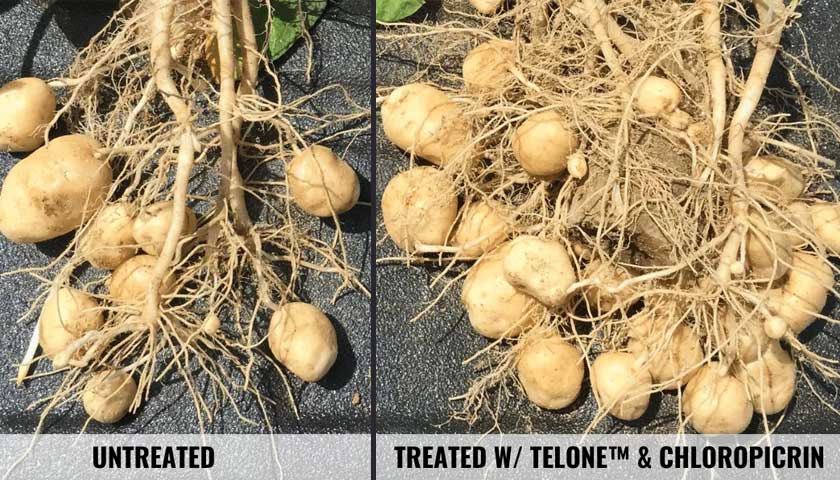
For growers, managing soil pests like nematodes, fungi, and organisms can mean the difference between a robust harvest and significant losses. TELONE™ soil fumigant comes into play, offering a solution for controlling a broad spectrum of nematodes and soil-borne pests..
Soil fumigation is a pre-planting practice that works by penetrating throughout the soil profile to address threats like nematodes, fungi, bacteria, and insects, creating a pathogen-free root zone, soil fumigation lays the foundation for a healthier growing environment.
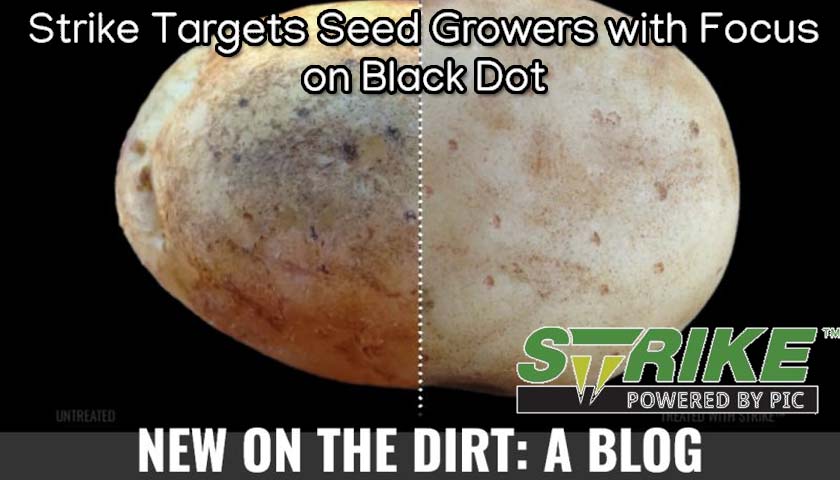
Black dot has historically been overlooked in potato seed production. Recent research shows that black dot, caused by the fungus Colletotrichum coccodes, working synergistically with Verticillium dahliae and root-lesion nematodes to weaken plants and reduce yields.
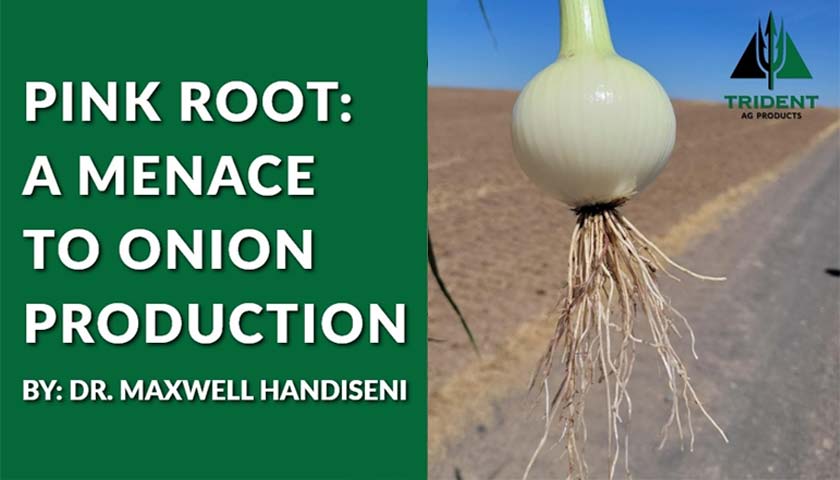
Pink root of onion caused by Phoma (Pyrenochaeta) terrestris is a devastating soilborne pathogen of onion worldwide. Infected roots are noticeable by a pink to red color at early stages of the disease and eventually dark in color and death of the plant. The pathogen has a wide host range.
As spring approaches, it’s essential to prepare fields for planting by effectively managing soil-borne pests, particularly nematodes. This blog post outlines steps to ensure successful fumigation, including soil sampling, using pre-application checklists, and monitoring soil moisture levels.
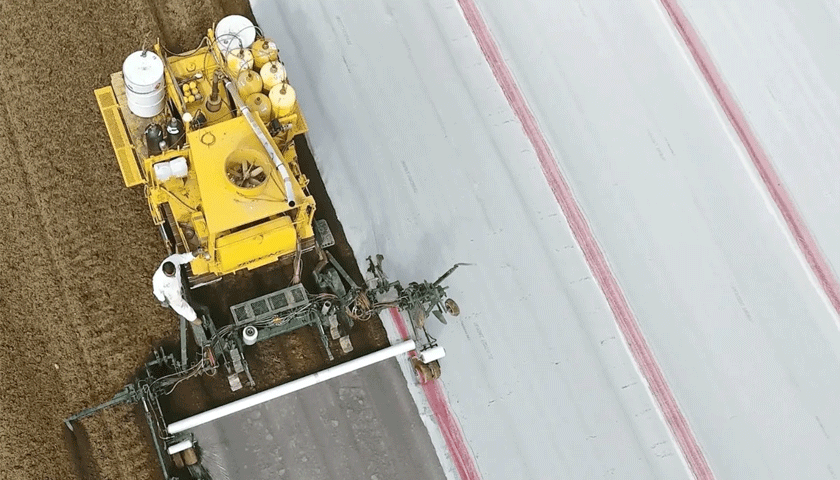
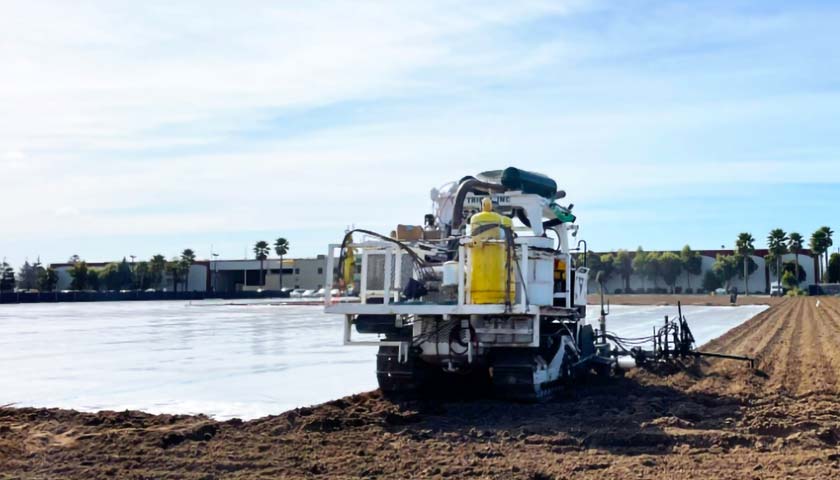
Soil fumigation is a pre-planting practice that involves injecting fumigants into the soil to target harmful soil-borne pests and pathogens. This process works by penetrating throughout the soil to target nematodes, fungi, bacteria, and insects, which can hinder plant development.
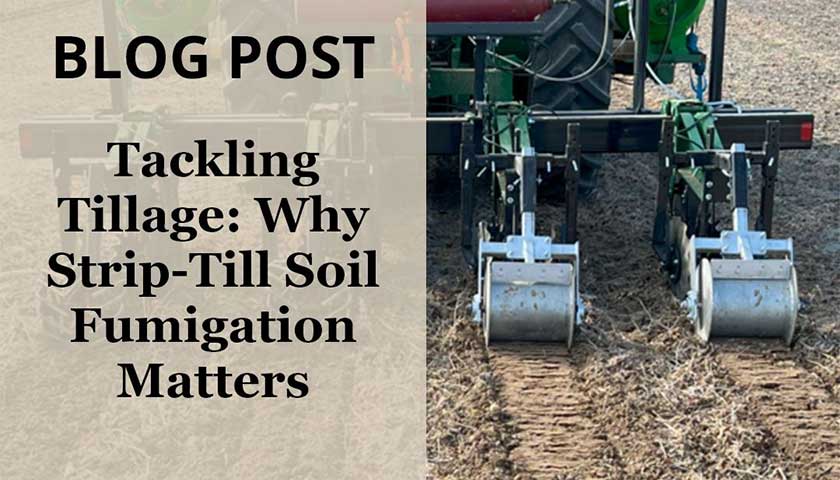
TriEst Ag Group’s latest blog post by Agronomist Josh Mays explores a key question facing growers today: Can you reduce tillage without sacrificing the effectiveness of fumigation? After three years of field collaboration and equipment development TriEst Ag Group has answers. R
We’ve always known Strike works. Season after season, growers tell us what they see in their fields: healthier plants, better root systems, and stronger yields. What’s happening beneath the surface? Not just in terms of pest control, but in the living biology of the soil itself?
Achieving the proper soil moisture is crucial for ensuring the success of your TELONE™ II fumigation. Moisture levels will affect your results. Too little moisture; the fumigant escapes before doing its job. Too much; the fumigant can’t move through the soil properly.
A study from Frontiers in Soil Science has unveiled promising strategies to enhance potato yields and mitigate Rhizoctonia canker. Research from the IRDA and Université Laval in Québec chloropicrin soil fumigation as a biostimulant on potatoes.
North San Diego County was once the flower capital of the U.S., with over 1,000 acres dedicated to field-grown and greenhouse cut flowers. Today, much of that land has given way to development, but one bloom still stands strong: ranunculus.
During his recent trip to South Africa, Chad Hutchinson of met with growers and industry leaders, exchanging insights on soilborne disease management and sustainable farming. Chad continues to champion innovative approaches to Crop Protection and he’s sharing those insights.
Our latest blog is now out. Director of Agronomy Josh Mays shares field results from our strip-till soil fumigation trials in Part II of the Tackling Tillage series. See how this reduced-tillage approach performed and where the research is headed next.
Cucumbers are highly susceptible to soil-borne pests and diseases, with even moderate levels capable of causing significant economic loss. Effective soil management prior to planting is critical to protecting yield and quality.
California faces an average of 9 new invasive species each year, living below the soil surface, quietly impacting crops long before problems become visible. As part of a broader soil health strategy, soil fumigation can help manage certain soil-borne pest pressures.
California feeds the country—and much of the world—but doing so is becoming increasingly difficult. Recently, on AgNet West Radio Network's Ag Meter, host Nick joined Damian Mason to dig into why America’s leading agricultural state is struggling to sustain and protect its growers.
TriCal Group's Chad Hutchinson said he was honored to join a panel on potato quality at Potato Expo 2026 alongside Jeff Douglas and Aimee Nielson. They discussed why marketable yield is the real metric that matters, and how managing quality requires a systems view—from genetics and moisture management to soil pH, biology, and targeted chemistry.
Plant diseases are one of the most challenging obstacles facing growers. A biological reality is that if a farmer grows the same crop too many times, and if the farmer puts in the same crop too often over a short period of time, pathogens will be harder to manage.
The Catalyst-Activated Cycle (CAC) establishes a regenerative systems framework that links soilborne disease suppression with measurable agronomic, economic, and environmental outcomes through controlled microbial renewal.
This second paper quantifies how microbial succession reorganizes soil ecosystems following catalyst application and how that reorganization generates functional and climate benefits. Soil communities transitioned predictably from pathogen-dominated to resilient networks.
Manuscript 3 demonstrates verified field performance and grower integration. Catalytic chloropicrin treatments increased marketable yield by 25 %, confirming that microbial reorganization drives durable functional stability.
This fourth paper quantifies the dual climate benefits of the Catalyst-Activated Cycle (CAC). Field-verified data demonstrate that catalytic microbial resets generate both Sequestered Emissions (SE) through necromass stabilization in mineral-associated organic matter.
This fifth manuscript demonstrates how measured Functional Resilience (FRQ), Avoided Emissions (AE), and Sequestered Emissions (SE) data translate into finance-grade information through the Functional Carbon Account (FCA).
Manuscript 6 extends CAC into the financial domain, proposing a model in which verified soil-functional data form the basis of markets. The manuscript introduces the Functional Sustainability Architecture (FSA).
TriCal's mission has always been rooted in helping growers produce healthy crops through science-based solutions that support productivity, stewardship, and sustainability. That’s why we’re proud to support the Healthy Plants Foundation and its parent organization, Western Plant Health.
Chad Hutchinson of TriCal Group explains that “tired” potato fields are often the result of more than one issue. Soil-borne disease pressure, weaker carbon flow and small inefficiencies can build over time, reducing crop responsiveness and making yield performance less consistent.
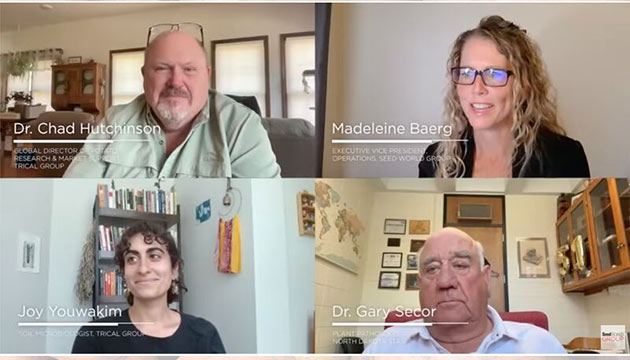
Black dot is spreading in potato fields — and farmers are right to be concerned. While not a new disease, black dot is becoming tougher to manage, stealing yield, blemishing tubers, and reducing marketability. That’s why Spud Smart brought together three experts for the Soil Under Siege panel.
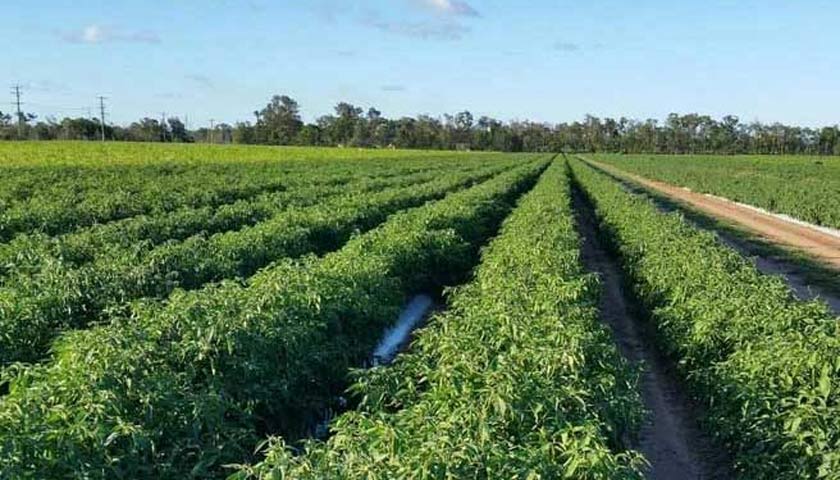
A greenhouse capsicum trial on the Adelaide Plains evaluated the effectiveness of pre-plant soil fumigation with Strike 60 for managing Root Knot Nematodes and improving crop performance. Weekly soil testing was conducted to measure nematode suppression and crop response under controlled greenhouse conditions.
In a recent op-ed in West Coast Nut Magazine, Renee Pinel, of Western Plant Health (WPH), puts long-standing claims about California agriculture to the test. Narratives have shaped public perception and fueled regulatory scrutiny at the California Department of Pesticide Regulation and legislative activity.
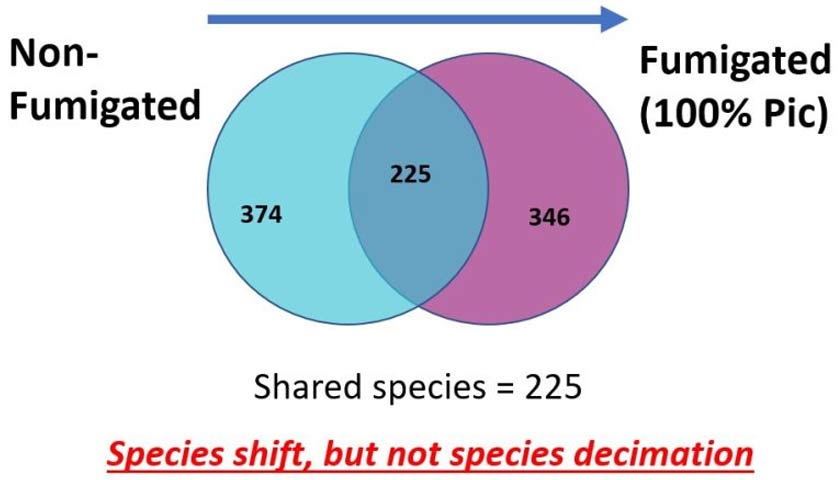
What the studies conclusively show is that in the weeks and months following soil fumigation with chloropicrin, soil microbial communities (bacteria and fungi) shifted in remarkable and quantifiable ways.
Our latest research in Fresno County looks at how soil fumigation supports Pistachios, one of California’s fastest-growing and most valuable crops, by improving root health, encouraging early tree growth, and managing plant-parasitic nematodes.
A greenhouse capsicum trial on the Adelaide Plains evaluated the effectiveness of pre-plant soil fumigation with Strike 60 for managing Root Knot Nematodes and improving crop performance. Weekly soil testing was conducted to measure nematode suppression and crop response under controlled greenhouse conditions.
This fourth paper quantifies the dual climate benefits of the Catalyst-Activated Cycle (CAC). Field-verified data demonstrate that catalytic microbial resets generate both Sequestered Emissions (SE) through necromass stabilization in mineral-associated organic matter.
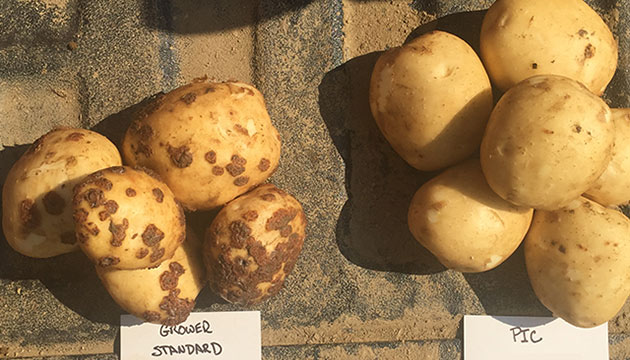
Dr. Chad Hutchinson reviews how soil fumigation with Chloropicrin helps tackle potato scab, black dot, rhizoctonia, verticillium wilt, and nematodes while positively impacting overall soil health.?
Our agronomist, Josh Mays, was in a tobacco field back in mid-August visiting a Granville Wilt trial. He touches on the differences in soil fumigated versus untreated. You can read about some more of our work in tobacco at www.triestag.com/ag-news/.
Our agronomist, Josh Mays, was out recently in a peanut field in Marion, SC comparing the difference in uniformity of emergence and uniformity of growth in a soil fumigation trial that TriEst Ag Group is doing.
Triest Ag's agronomist, Josh Mays, was back out in the peanut field in Marion, SC recently doing some of the final evaluations on TriEst's soil fumigation trial. The peanuts were freshly turned and drying for harvest.
1Can a soil fumigant be used as a biostimulant in agriculture? At TriEst Ag Group we're trying to find those answers. Josh Mays, our agronomist, and Josh Freeman, our Regional Sales Manager, go into further depth on this topic and our findings.
Black dot is spreading in potato fields — and farmers are right to be concerned. While not a new disease, black dot is becoming tougher to manage, stealing yield, blemishing tubers, and reducing marketability. That’s why Spud Smart brought together three experts for the Soil Under Siege panel.