Pineapple

Hendrix & Dail is committed to advancing agricultural innovation through research and science-based soil health solutions. As part of this commitment, a comparative pineapple field trial is being conducted to evaluate the impact of TriPicrin 97.6 EG on soil health and crop development.

Hendrix & Dail | TriPicrin 97.6 EG Trial
Hendrix & Dail is committed to advancing agricultural innovation through research and science-based soil health solutions. As part of this commitment, a comparative pineapple field trial is being conducted to evaluate the impact of TriPicrin 97.6 EG on soil health and crop development.
Shifts in Microbial Communities following application of Chloropicrin and 1,3-Dichloropropene in Pineapple
Trical Group's John Washington released a paper on fumigation using Chloropicrin and 1,3-dichloropropene (1,3-D) and its impact on microbiological communities and soil health.
What happens when you stop using Strike Telone in your soil, Sam Pike tells us.
A long time ago, when Sam stopped using Telone for 4 years, he found that nematodes and diseases increased and nematicides did not control the cycle of nematodes. With further agronomy testing they found the exact and were able to tackle the issue head on.
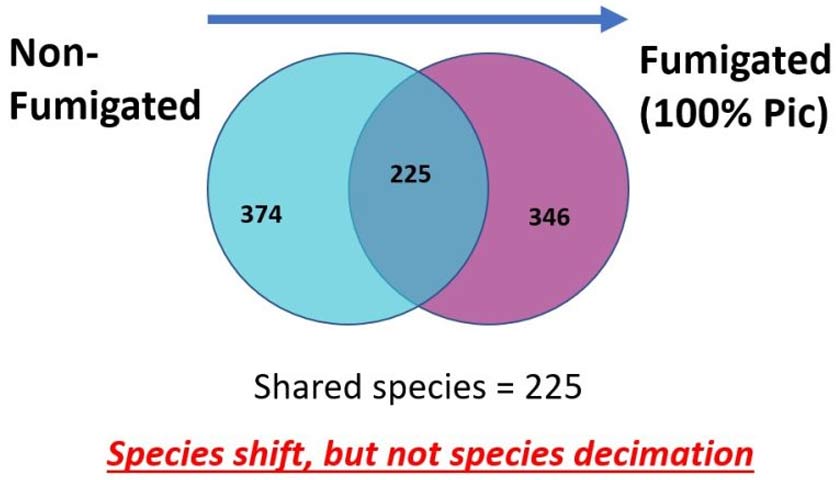
Chloropicrin Shifts Soil Biology in Powerful Ways across Diverse Regions, Crops, and Soil Types
What the studies conclusively show is that in the weeks and months following soil fumigation with chloropicrin, soil microbial communities (bacteria and fungi) shifted in remarkable and quantifiable ways.

Pineapple Crops Perform Great in Healthier Soils
Over the past three years, TriCal Australia has been conducting extensive research in the Queensland Pineapple industry to determine the best fumigant to be used across the varying soil types and pest and disease pressure for our own conditions.